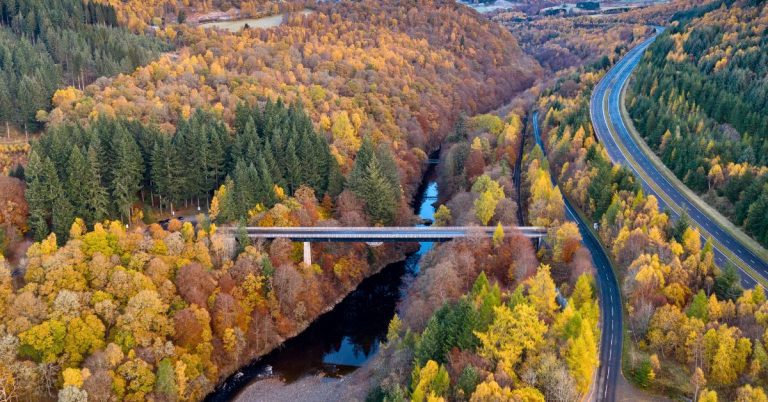

Travel Scotland on a Budget: 25 Money-Saving Tips
Some links in this post might be affiliate links, meaning if you buy something through one, we may earn a small commission at no extra cost to you. This helps keep the site running – we thank you! Check out our full disclosure here.
If you’ve been dreaming about Scotland — the misty Highlands, dramatic castles, and cozy pub dinners — you’ve probably also noticed one small problem… it’s not exactly known as a cheap destination.
But here’s the good news: Scotland on a budget is absolutely doable, so long as you know a few smart tricks.
On average, you can expect to spend anywhere from £100 to £300+ per day depending on your travel style, but with the right strategy, it’s possible to stay on the lower end of that range or even well below it (without missing out on the experiences that make Scotland so special).
After traveling around the country ourselves (and swapping notes with plenty of other travelers along the way), we quickly realized that the difference between an expensive trip and an affordable one in Scotland often comes down to strategy, not sacrifice.
Think: choosing the right season, booking smarter, taking advantage of the tools available, and just knowing where to splurge vs. where to save.
In this guide, we’re breaking down 25 practical Scotland money-saving tips to help you cut costs on transportation, accommodation, food, and activities — without sacrificing any of the magic. Plus we even toss in a few key budget mistakes that you should avoid if you don’t want to pay an arm and a leg for your trip!
So whether you’re planning a full road trip, a city-hopping adventure, or your very first visit, these tips will help you stretch your budget way further than you might expect.
Budget Planning Essentials
1. Travel During Shoulder Seasons
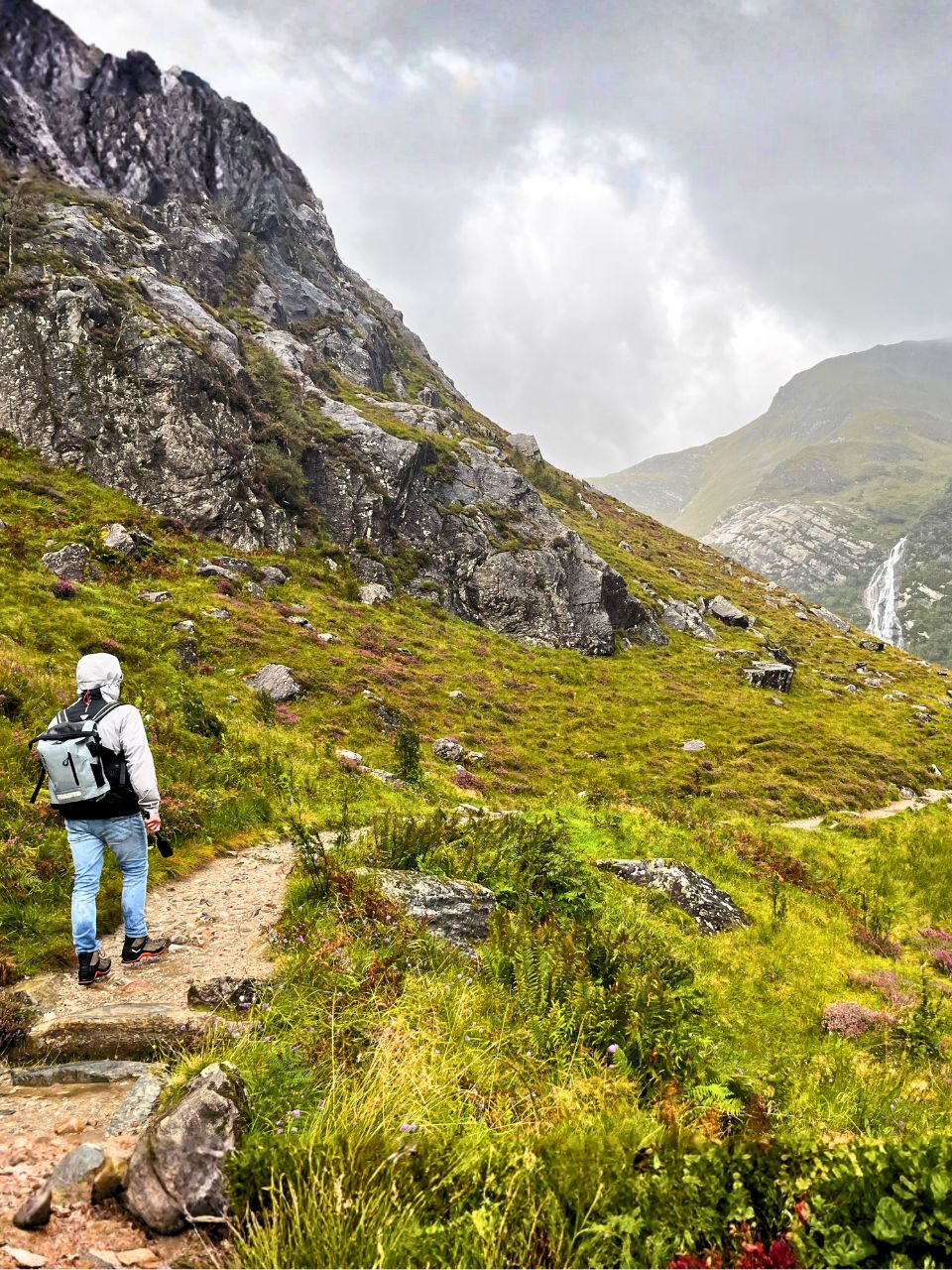

This should not come as any surprise if you have ever looked up travel budget tips in the past, but if you’re trying to experience Scotland on a budget, when you travel can make a bigger difference than just about everything else!
The sweet spots for Scotland? April–May and September–October.
During these shoulder seasons, you’ll typically find lower prices on accommodation and rental cars, better deals on tours and activities, and fewer crowds at major attractions (yes, even top places like Skye!)
This also gives you something incredibly valuable: flexibility.
Instead of scrambling to book whatever is left (often at higher prices) because tons of other travelers are booking the same time as you, you can actually compare options, choose top-rated tours, and avoid those “well… this is all that’s available” moments that tend to blow your budget really fast.
Plus the experience is often better during shoulder season anyway. You’ll get moody landscapes (which make for the most stunning views and photos), fewer tour buses (which congest the road like you wouldn’t believe), and a much more relaxed vibe overall.
Big budget mistake to avoid: Traveling in peak season (June–August) without booking far in advance. Prices skyrocket, availability disappears, and you’ll often end up paying significantly more for worse options! Aim for booking everything a minimum of 6-12 months in advance if you must travel in summer.
2. Book in Advance for Best Prices
If there’s one universal rule for budget travel in any country, especially Scotland, it’s this: the earlier you book, the more you could save.
Prices for things like ferries, trains, rental cars, popular accommodations, and even some tours and experience can increase dramatically as dates fill up — especially in high-demand areas like the Isle of Skye and the Scottish Highlands.
As mentioned briefly in tip #1, booking early doesn’t just save you money, it also gives you access to the best-value options, not just the leftovers.
That said, you don’t need to lock everything in right away, especially if you are going during shoulder or off-season.
A good strategy for budget-friendly spontaneous travel (which tends to be our go-to style) is to book all major logistics early (flights, car, accommodations, popular tours, etc), but leave a portion of days open to book smaller activities later on or even day of! This way, you’re saving money and keeping some spontaneity and flexibility.
3. Consider Flexible Destinations
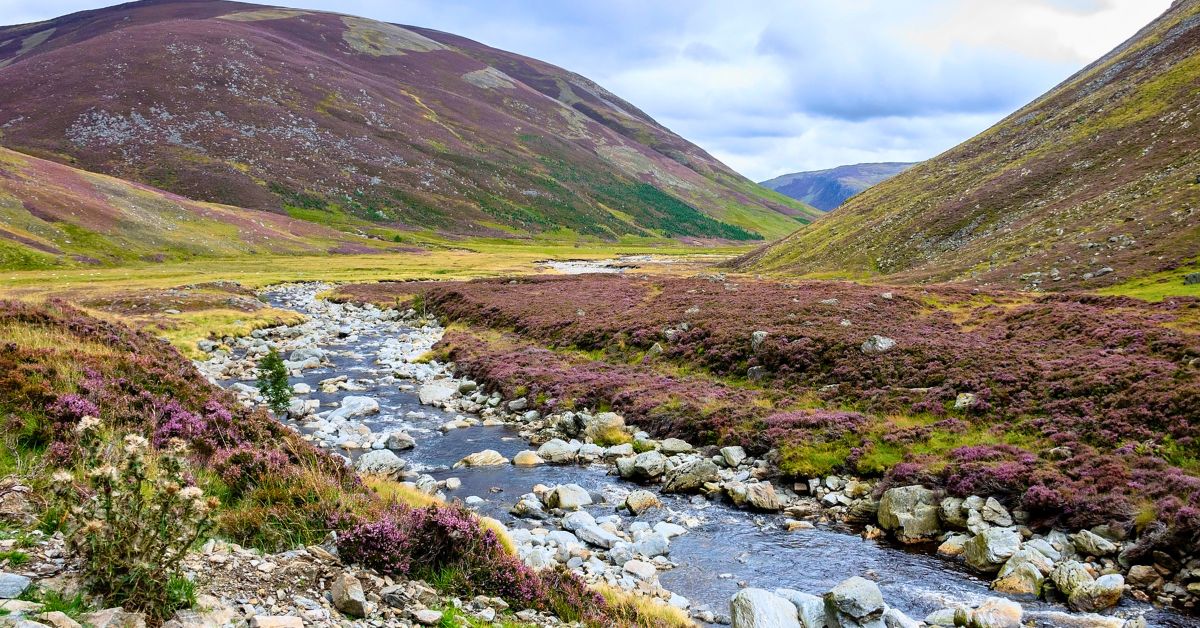
One of the easiest ways to save money in Scotland? Don’t get too locked into the “must-see” hotspots!
Places like the Isle of Skye are undeniably incredible, yes… but they’re also some of the most expensive areas in the country, especially in peak season.
Instead, consider swapping or supplementing with lesser-known destinations like:
- Oban instead of Portree
- The Cairngorms instead of Skye
- Smaller Highland villages instead of the major tourist hubs
You’ll often find cheaper accommodation, better availability, fewer crowds, and a more local, authentic experience. A win-win in our eyes!
Plus, you can usually make a day trip to a must-see hotspot (which will be significantly cheaper than spending >1 day there) or just go on a future trip when the budget has a little bit more wiggle room.
Scotland is packed with stunning landscapes, so don’t worry — you’re not really “missing out,” you’re just experiencing it differently (and more affordably!).
4. Set a Daily Budget Before You Go
Look, I know it’s not exciting and it might even instill a bit of fear or stress in you right now, but setting a rough daily budget is one of the smartest Scotland money-saving tips you can follow.
Having a target, even a flexible one, helps you:
- Balance splurge days vs. low-cost days (because it’s about moderation, not complete restriction!)
- Stay aware of where your money is going
- Check in a single moment if you are staying on budget or not
- Avoid that “how did I spend this much??” moment at the end of your trip
A simple approach is to set a daily range (e.g., £80–£120/day) and track your spending as you go. Ideally not at the end of the day or week when it will take a while to gather all the info and you might have forgotten things, but truly as you go.
Matze and I like to just use our phone notes for this. We will write the amount and a 1-3 word description directly after (or even during) the purchase and then calculate it all and make a final note at the end of each day (usually while brushing our teeth). I like to make mine look a bit nicer with headings and other formatting, but Matze just tosses it all in his notes — both work fine, haha.
If you want a bit more structure, there are plenty of amazing apps that can help, like TravelSpend or even Splitwise (particularly great for traveling and splitting costs with others).
You don’t even need to track every single pound — just staying aware of things is usually enough to keep your budget in check!
Saving on Transportation
5. Use Transport Passes (Citylink vs. ScotRail)


If you’re not renting a car, transport passes can be a great way to save money traveling around Scotland, but choosing the right one matters.
There are two main options:
Bus Travel: The Scottish Citylink Explorer Pass
This pass gives you unlimited travel on Citylink buses for a set number of days (3, 5, or 8), covering major routes between cities and popular destinations like Glasgow, Edinburgh, Inverness, Fort William, and even a bit of the Isle of Skye.
It’s great for travelers on a budget because it’s a fixed cost (so no surprises!), it’s cheaper than booking multiple individual tickets, and it covers long distances that would otherwise add up quickly.
This pass works best if you’re city-hopping, following a loose route, and not planning to explore remote areas too much.
It’s less ideal if you want total flexibility, plan to stop in small villages and regions, or want to attempt a road trip style itinerary (like ours!).
If you do decide to go with it, just be sure to book seats early, especially in summer!
Check the Cityline Pass out here.
Train Travel: The Spirit of Scotland Travelpass
If you prefer trains over buses, the Spirit of Scotland Travel Pass is another good option for budget travel in Scotland!
This pass gives you unlimited travel on ScotRail trains with decent coverage across a large portion of the country and flexible travel days (4 or 8) within a set time period.
It’s especially useful for scenic train routes (some of the best in the UK!), travelers who prefer comfort over buses, and those sticking to particularly well-connected areas. The Travel Pass site gives two example itineraries using their pass here!
Check out the ScotRail pass here.
Which one should you choose?
Before you make the final decision on which is best for you, let’s briefly cover the main differences between Citylink and ScotRail:
- Citylink → cheaper, buses only, wider rural access, more day options (3, 5, or 8)
- ScotRail pass → more comfortable, faster in some cases, limited to rail lines and therefore less country coverage
Big budget mistake to avoid: Buying a rail or bus pass without checking your actual route. Not only to ensure coverage, but if you’re only traveling a short distance or making just a couple of smaller trips, individual tickets are often cheaper!
6. Rent a Car Strategically
If you’re planning a road trip (which, let’s be honest, is one of the best ways to experience Scotland), renting a car can actually be very cost-effective — provided you do it right.
Here are a few tips on how to save:
- Book early → prices rise quickly, especially in summer
- Compare pickup locations → airport vs. city center can vary a lot
- Choose a smaller car → cheaper rental + better fuel efficiency
- Avoid automatic cars if you can drive manual → automatics are significantly more expensive in the UK (just be sure you are also comfortable shifting on your left side!)
Gas costs can also add up, so it’s worth using apps to compare prices nearby. Options like PetrolPrices or even just Google Maps (gas stations often show prices) will help a ton.
If you’re going electric, look into charging apps that show price per kWh, not just station locations. This can also make a noticeable difference over a longer trip! We suggest apps like ZapMap or ChargePlace Scotland.
7. Use Local Buses for Rural Areas
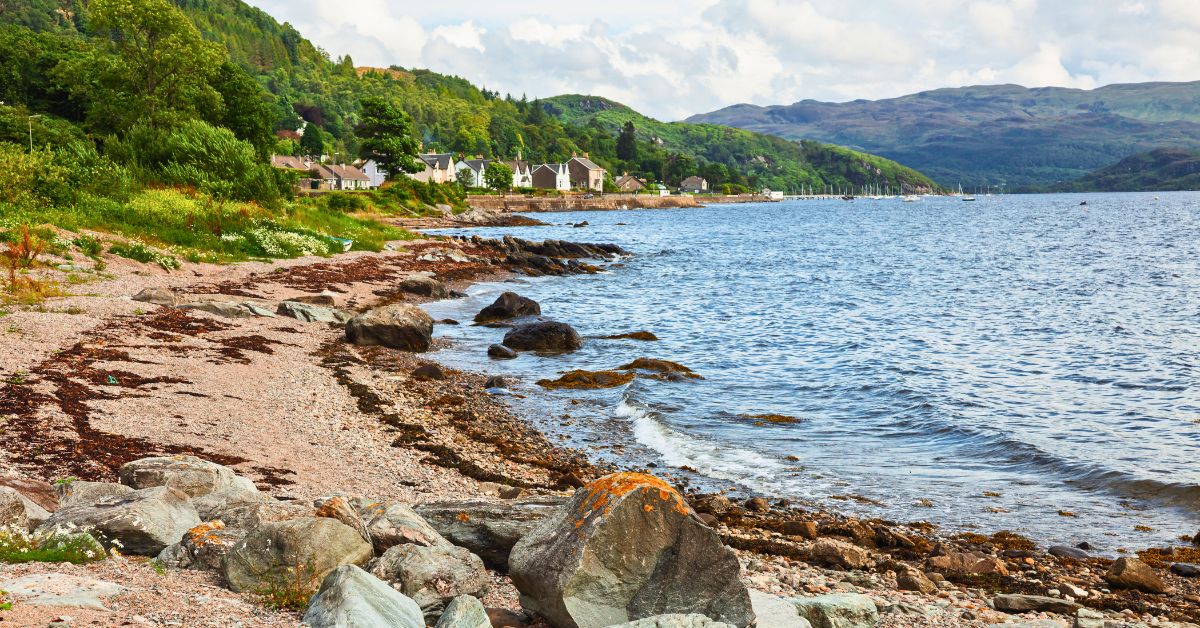
This one surprises a lot of people, but there are local buses in more remote areas and they can be very affordable!
They connect many towns and villages, including some pretty remote areas, and are often much cheaper than trains, tour buses, or other long-distance services.
However, there’s a catch (and it’s an important one): routes can be limited and schedules aren’t very frequent — some areas have very few, if any, daily connections.
So while local buses are a great budget-friendly option, they will require a bit more planning and flexibility.
This tip is best if you have a slower-paced itinerary, don’t mind structuring your travel days around transport times, and are traveling light.
8. Walk and Use Public Transit in Cities
When you’re in cities like Edinburgh and Glasgow, one of the easiest ways to save money is simply using the massive public transportation networks available.
Both cities (and most other big cities in Scotland) are extremely walkable, very well-connected by buses and other local transit, and super easy to navigate, even for first-time visitors.
Buses are usually the most affordable option, and many systems offer daily fare caps — meaning you won’t pay more than a set amount per day, no matter how many rides you take! Tourist and transportation centers scattered around the city can help, or you can grab tickets and info directly on the bus.
Drivers and even other passengers are generally very helpful, so if you’re ever unsure where to get off or how the tickets work, don’t be shy about asking. Scotland has some of the kindest and most helpful people Matze and I have ever met!
Big budget mistake to avoid: Using different cards or payment methods on public transport. Most systems track your daily cap per card so if you switch cards, you will likely end up paying more than necessary.
Saving on Accommodation
9. Stay in Guesthouses and B&Bs
If you’re looking for a cozy, local experience and trying to keep costs down, guesthouses and B&Bs are one of the best options for budget travel in Scotland!
In many cases, they’re cheaper than hotels, more personal and welcoming, and include a full breakfast (one less meal to pay for 👏).
And we’re not talking about a sad continental breakfast — many places offer a “Full Scottish” breakfast that can easily keep you full until mid-afternoon or later.
This is one of those simple swaps that can save you money every day without sacrificing comfort. Just be sure you note how many rooms the guesthouse offers and how private it is! Some will be less private and only offer shared bathrooms, so keep in mind your style and comfort level more than usual when searching.
Matze and I used Booking to book our Scotland accommodation (which was mostly guesthouses, B&Bs, and hostels) and we highly recommend it!
10. Check Into Hostels
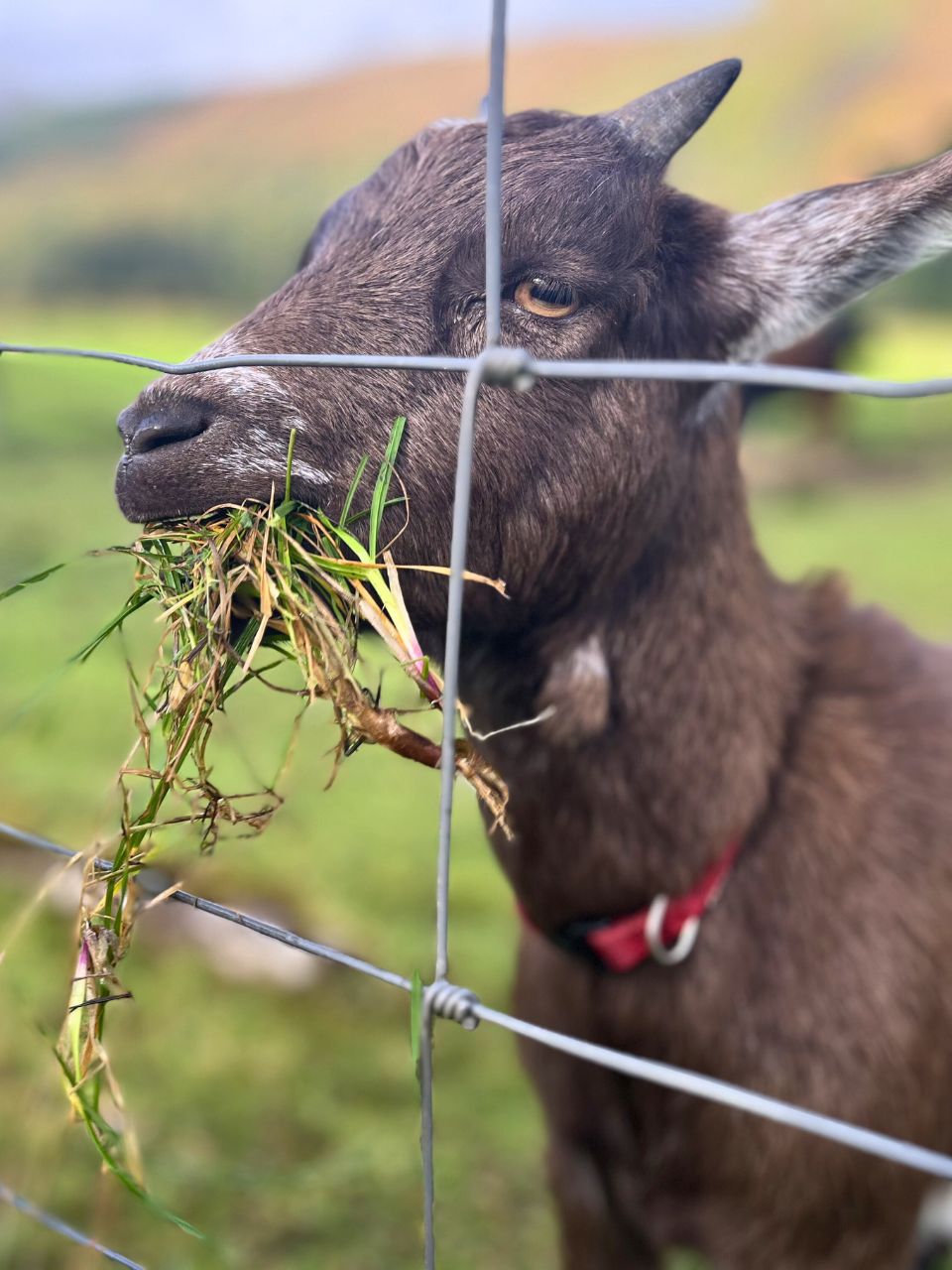
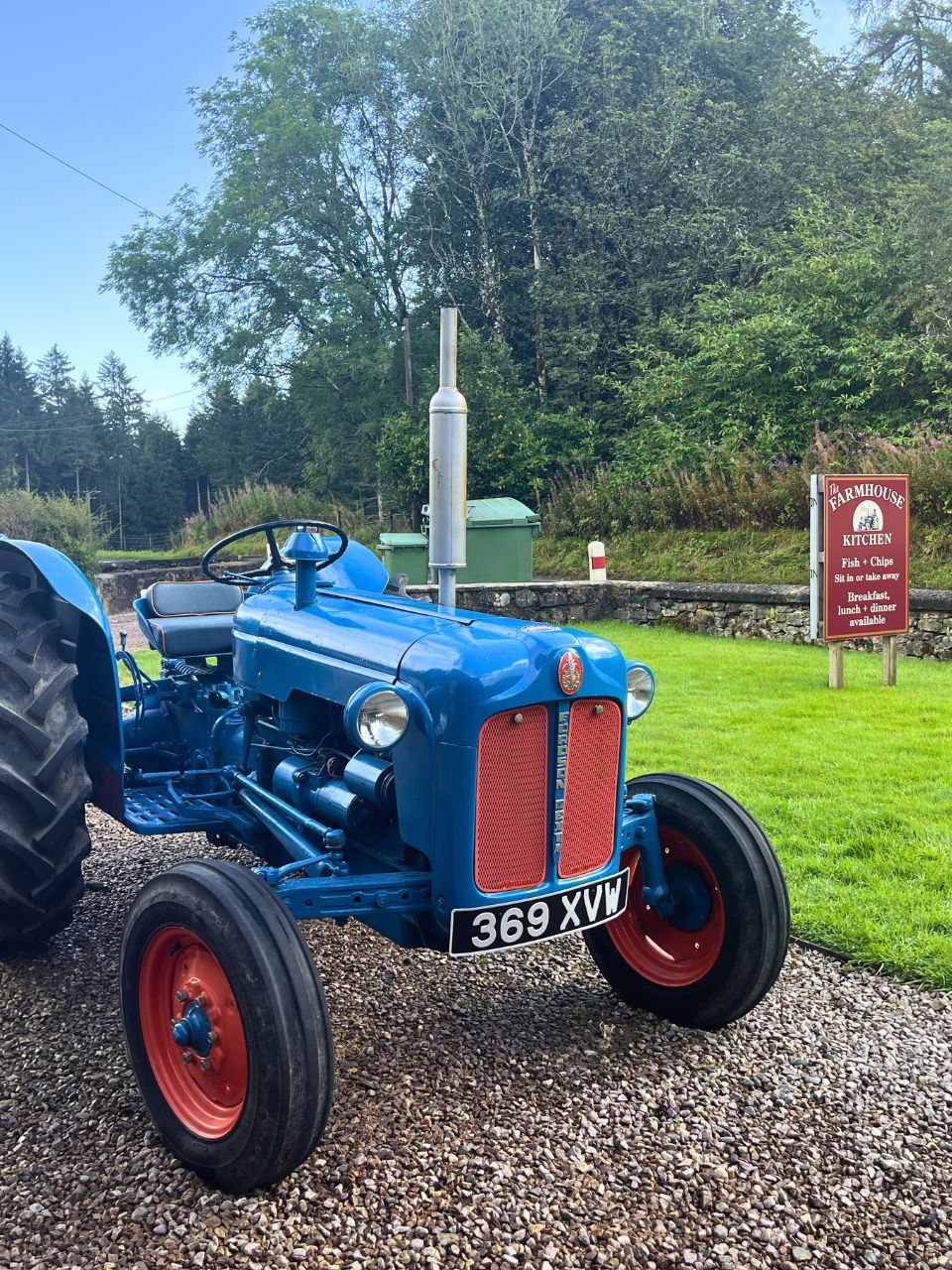
Hostels in Scotland are not what a lot of people expect, especially in more remote, scenic areas.
Organizations like Hostelling Scotland (formerly SYHA) run some seriously impressive and beautiful properties right in the middle of nature in places like Glencoe, Isle of Skye, or The Cairngorms and HostelWorld has a plethora of similarly amazing options!
As with many hostels, there are almost always private room options (not just dorms!) and so it’s great for solo travelers, backpackers, and couples or anyone who prefers more private sleeping arrangements alike.
Matze and I frequently stay in private rooms in hostels, because you can usually save a bit of money compared to hotels and other accommodation, and you also get the social aspect of hostels. We have met some of the most interesting and fun people and gone on some of the best tours during hostel stays!
Check out available hostels on HostelWorld for your travel dates here:
11. Take Advantage of Scotland’s Right to Roam (Wild Camping)
One of the most unique ways to experience Scotland on a budget? Wild camping!
Thanks to Scotland’s “right to roam” laws you can hike, walk, bike, and even camp (for free!) on most land, as long as you follow a few simple rules.
For budget travelers, this can be a game changer. No accommodation costs for the night (other than buying / renting camping gear once) + incredible, remote locations and a much more immersive experience in nature!
That said, there are just a few important guidelines to follow:
- Camp in small numbers and for short stays
- Avoid private gardens, farmland with crops, and busy areas
- Leave no trace (this one really should be a given! So important)
- Double check for local restrictions first
So long as you’re prepared and respectful, this is easily one of the best Scotland money-saving tips out there — and one of the most unforgettable ways to experience the country.
Big budget mistake to avoid: Assuming you can camp anywhere without any rules. Though rare, some areas could have permit zones and restrictions so always double-check before setting up camp.
12. House Sitting or Pet Sitting
If you have a flexible schedule and don’t mind a bit of responsibility, house and pet sitting can mean completely free accommodation — which is about as budget-friendly as it gets!
Platforms like TrustedHousesitters (our fav!) or MindMyHouse connect travelers with homeowners who need someone to look after their home (and often pets) while they’re away.
In exchange, you get free stays which include full access the whole home (kitchen = possibility of self-cooked meals to save even more!) and a more local, lived-in experience. Plus, pets! What more could you want?
Most sits are fairly simple and don’t require too much daily time, but it does depend house to house and pet to pet so be sure to check all the details before applying.
We have found that TrustedHousesitters, perhaps due to the much higher annual fee, has more reliable people and much nicer homes all over the world to choose from. MindMyHouse, on the other hand, is significantly cheaper, has been around longer, but some people can be a bit flakey and there are not quite as many sit opportunities.
It’s certainly not for everyone, but if it fits your travel style and you’re an animal lover, this can save you hundreds (or much more) over the course of your trip and can be a very memorable experience!
13. Book More Remote Stays Instead of Tourist Hubs
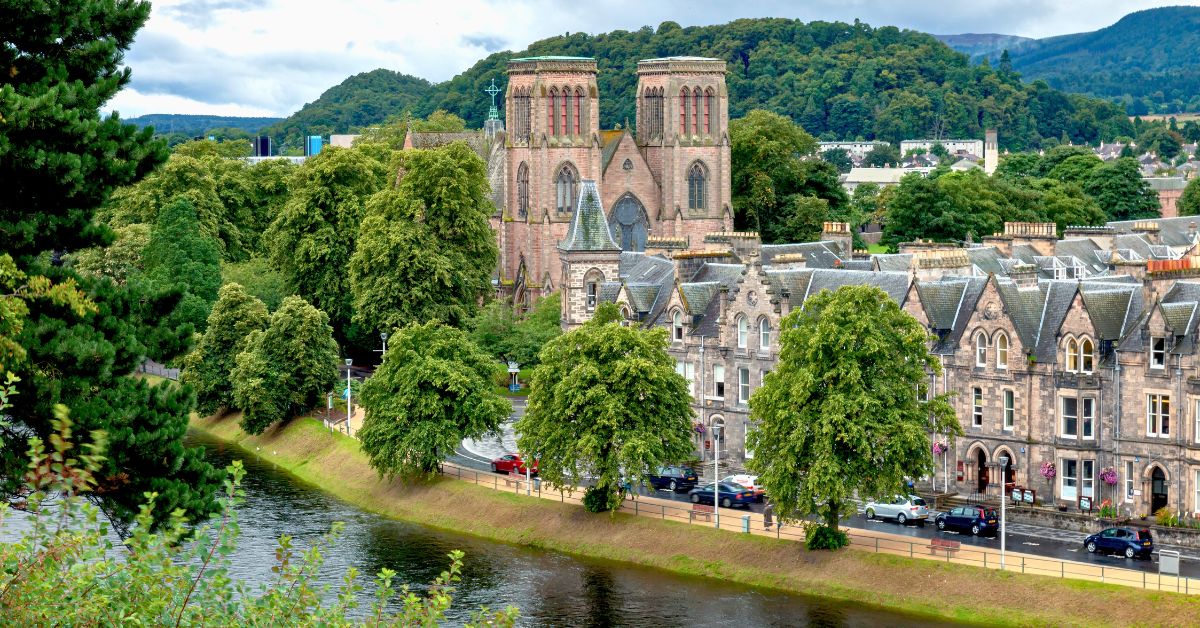
One of the easiest ways to cut accommodation costs is to simply not stay directly in the most popular locations.
For example stay near the Isle of Skye instead of on it and drive in for day trips, choose a neighborhood just outside of Edinburgh and take public transportation in, etc.
You’ll almost always find lower nightly rates, much more availability, and better value overall!
And if you have a car or are near a good public transit system, the trade-off is extremely minimal — you’re just a short drive or ride away from everything.
Matze and I like to stay outside of cities and tourist hotspots anyway, but it was extra beneficial and extra easy in Scotland. Their public transportation in cities is spectacular and very cheap and we had our rental car for day trips — we never regretted our decision once!
14. Book University Dorm Rooms
This is by far one of the most underrated Scotland money-saving tips.
A handful of universities, colleges, and similar facilities all across the UK will rent out single, twin, or double dorm room accommodations to travelers. Not just fellow students, but anyone!
These stays are typically quite a bit cheaper than hotels, very centrally located, and some even include breakfast (triple win!).
A few things to keep in mind, though, rooms are generally very basic and availability varies throughout the year and by university. Summertime brings the most availability, but you will likely be able to find some options in certain cities no matter when you come.
Checking now (in March) for Scotland, we see rooms available in Glasgow, Edinburgh, Isle of Skye, Inverness, and even one in Aberdeen!
For budget-conscious travelers, this can be a huge win, especially in cities where accommodation prices are otherwise pretty high.
Saving on Food & Drink
15. Eat at Local Pubs, Bakeries, and Cafés Instead of Restaurants
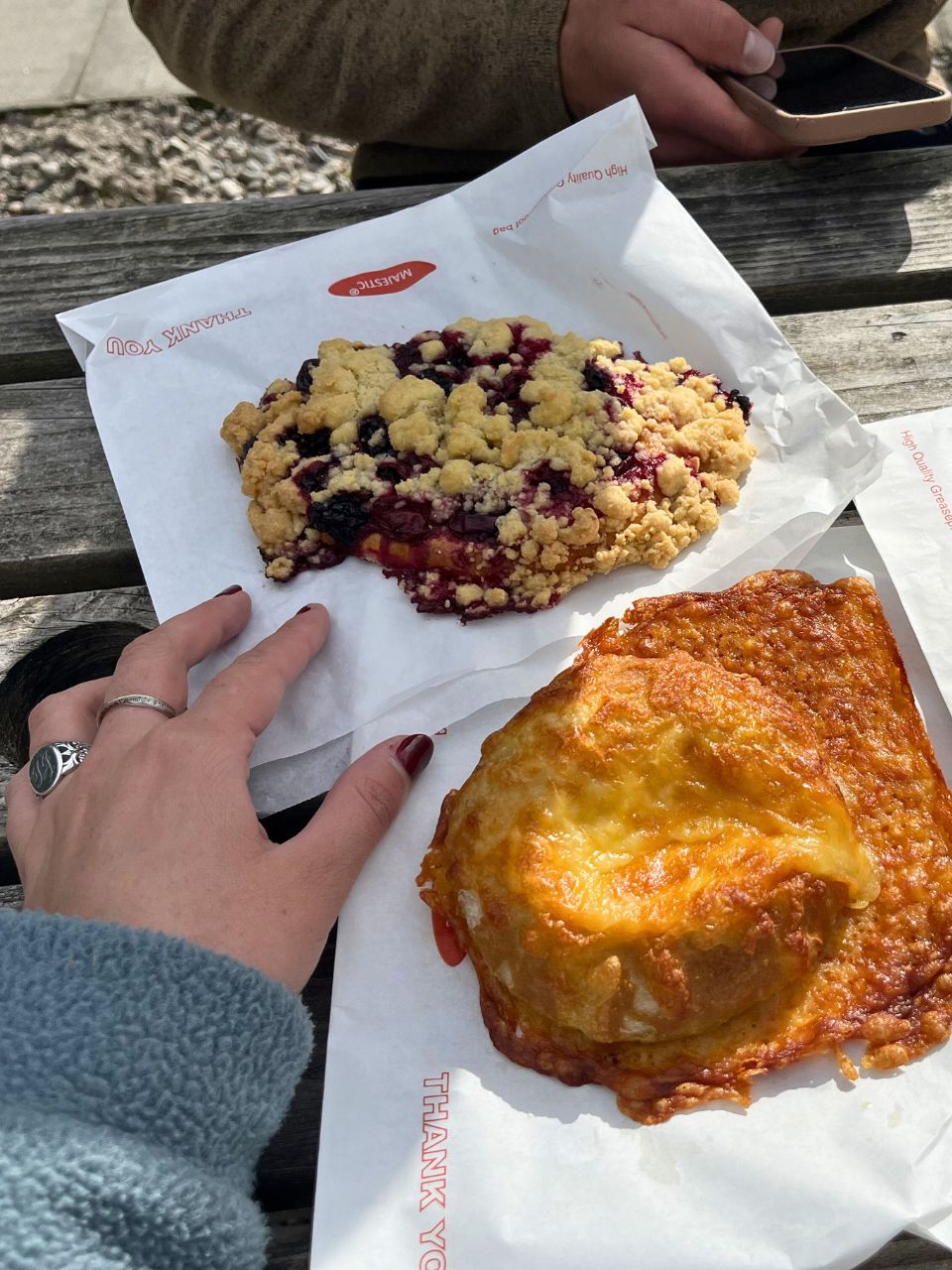
If you want to experience Scottish food and keep your budget in check, bakeries and cafés for lunch and local pubs for dinner will be your best friends.
Bakeries and cafés, especially smaller ones off the beaten path, will have tons of delicious food (usually fully homemade) for fairly cheap. There are often great lunchtime specials too!
For dinner, compared to more formal restaurants, pubs typically offer lower-priced mains, good portion sizes, daily specials or early dinner deals, and an extra relaxed atmosphere which you may prefer! And you’ll still find plenty of classic dishes like fish and chips, steak pie, and hearty soups — just at a more reasonable price point.
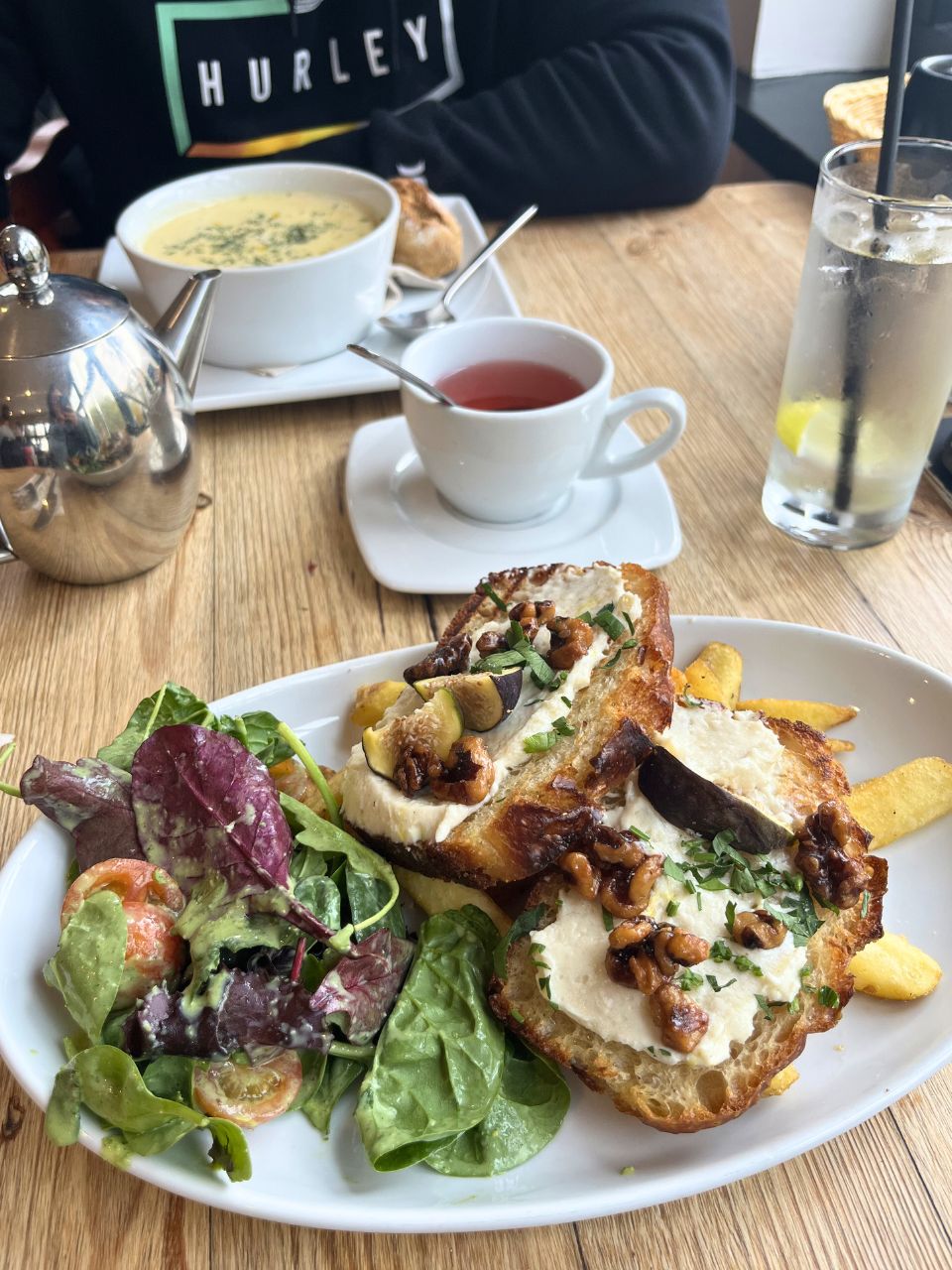
Some of our favorite meals in Scotland were in cozy little spots, not fancy restaurants, so make sure to at least try a few out during your trip! I mean just look at that sourdough bread with honey whipped goats cheese, candied nuts, and figs above. I’m drooling just thinking back on it, haha.
16. Choose Supermarket Meal Deals
This is one of the easiest Scotland money-saving tips, especially if you’re on the go.
Most major supermarkets (like Tesco, Sainsbury’s, or Co-op) offer meal deals that usually include a sandwich or wrap, a snack, and a drink all for around £3–£6. While not exactly an experience for the taste buds, we found it not too bad and mostly just extremely practical.
These are perfect for road trip lunches, picnic stops with a view, grabbing right before a hike, or just a super quick and affordable meal while racing between activities!
It might not sound that special, but when you’re eating your simple lunch overlooking a loch or in the Highlands… it kind of is.
17. Cook Your Own Meals When Possible
Another age-old tip, but it’s true! If you’re staying somewhere with a kitchen, cooking a few of your own meals can make a noticeable difference to your overall budget.
Groceries in Scotland are relatively affordable, and even making just your breakfasts, or a handful of lunches or dinners here and there can save you quite a lot compared to eating for out every meal.
On average, cooking your own meals can cut food costs by 30–50% (!!) (source), depending on what exactly you buy and where you’re staying.
Local markets and smaller ‘mom and pop’ shops can also be a great place to pick up super fresh ingredients and it adds a bit of that “living like a local” feel to your trip, while also helping you save some cash. Another win-win!
18. Save on Water Purchases
You’ll hear this tip everywhere: Scottish tap water is safe and high quality, so bring a reusable bottle with you everywhere so you can save money on buying water bottles.
And technically… yes, that’s true.
But.. honestly? We personally did not love the taste 😅
In most areas, it had a pretty strong chlorine flavor and we found we just couldn’t get over it. After living in Bavaria, Germany with one of the statistically purest and safest tap waters in the world, we do appear to be a bit spoiled, haha.
So instead, we bought giant bottles of water in bulk, kept them in our rental car, and refilled our reusable bottles throughout the day. This worked way better for us, as we still avoided constantly buying small bottles during our trip (killing both the environment and our budget), but we didn’t force ourselves to drink water we didn’t enjoy.
Bottom line: try it for yourself, and decide. Saving money is great… but so is actually enjoying what you’re drinking.
19. Take Advantage of Breakfast-Included Stays
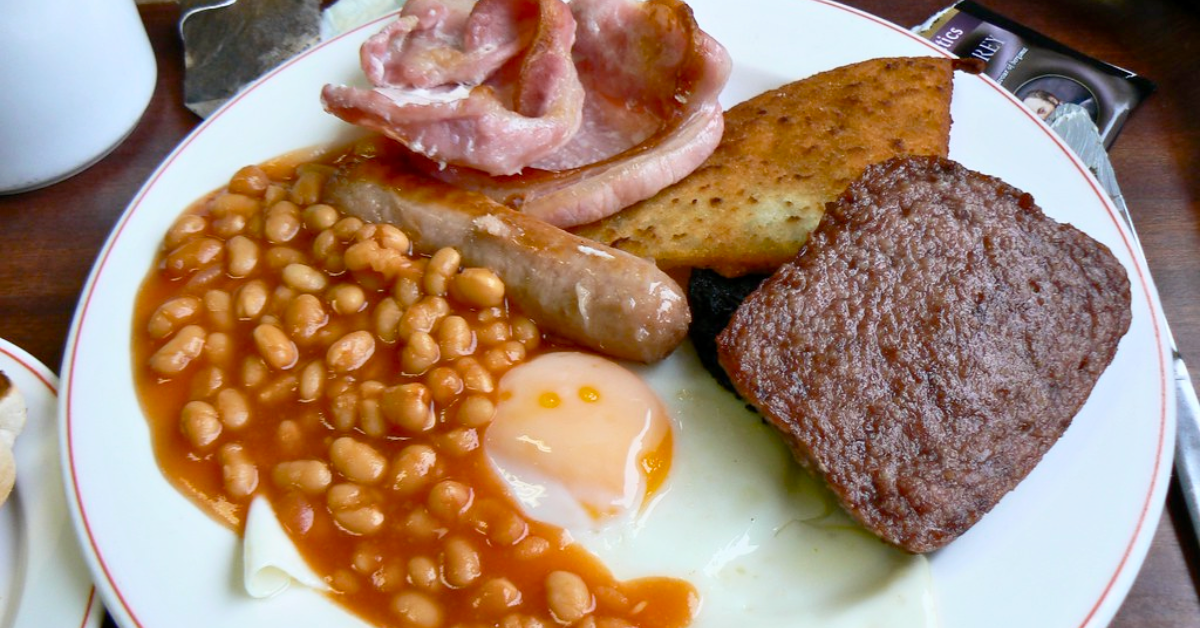
If your accommodation includes breakfast — use it strategically.
A full Scottish breakfast is no joke. We’re talking eggs, sausages, toast, black and white pudding, beans, grilled vegetables, and sometimes even more!
It’s the kind of meal that can easily keep you full until late afternoon… which often means you can downsize or even skip lunch entirely!
That’s another double win: saving money and spending less time worrying about your next meal and trying to fit it into your busy schedule.
Also, if you’re booking accommodation through Booking, it’s worth noting that once you reach Genius Level 2+ in their rewards program, you’ll get perks like free breakfast at select properties, plus the usual discounts and occasional room upgrades.
We use this Booking bonus all the time and have scored some great deals and breakfasts!
Saving on Activities & Sightseeing
20. Take Advantage of Free Attractions & Events
One of the best things about budget travel in Scotland? Some of the best experiences won’t cost you a thing!
In cities like Edinburgh and Glasgow, many museums and galleries are completely free year-round, including:
- The National Museum of Scotland
- Kelvingrove Art Gallery and Museum
- The Scottish National Gallery
And beyond museums, there’s so much more you can do for free. Wander the plethora of historic streets and neighborhoods, explore parks like Holyrood Park, enjoy the many Munros and hikes, or walk along all the rivers, lochs, and coastal paths, etc.
On top of all of that, Scotland also has an incredible lineup of free (or partially free) cultural events, such as street performances and festivals, local Highland Games (some have free entry or low-cost tickets), and the various seasonal celebrations and community events.
It is therefore absolutely worth taking the time to look up local events and holidays, along with lists of free attractions in each place you visit. You never know what you might find!
21. Visit Lesser-Known Castles
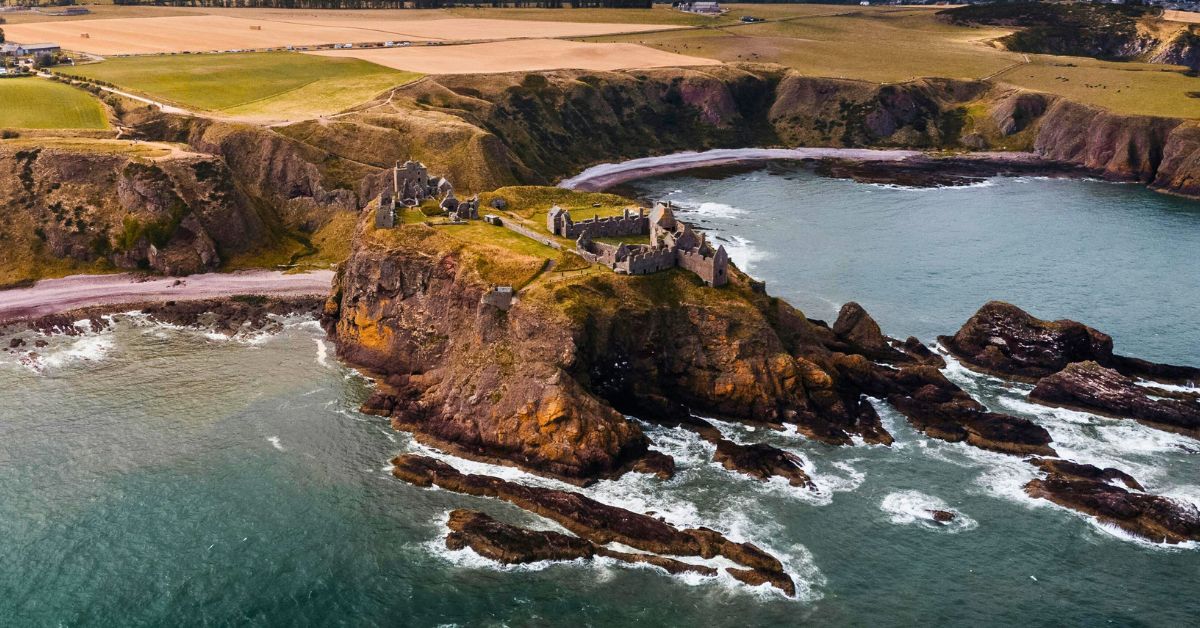
Let’s be honest — castles are one of the main reasons people visit Scotland.
But big names like Edinburgh Castle or Eilean Donan Castle come with pretty hefty entrance fees and sometimes (I’m looking at you, Urquhart Castle) they just don’t offer enough to justify the price, even if it is small.
The good news? There are tons of lesser-known castles and ruins that are much cheaper (sometimes even free!) and far less crowded.
Here are a few incredible cheap or free options to look into:
- Doune Castle (For all you GoT, Monty Python, and Outlander fans!)
- Kilchurn Castle (free)
- Dunnottar Castle
- Castle Sinclair Girnigoe (free)
You’ll still get that iconic Scottish castle experience — just without the premium price tag and shoulder to shoulder crowds.
Big budget mistake to avoid: Only visiting the “famous” castles. Not only are they more expensive, but they’re more crowded and you’ll miss out on some seriously underrated, stunning spots.
22. Buy a Historic Scotland Explorer Pass
If castles and historic sites are high on your list of things to do in Scotland, the Historic Scotland Explorer Pass is a really great way to save money!
This pass gives you entry to multiple historic sites across the country, including castles, abbeys, and ancient landmarks. Here is the full list. You even get a discount on audio guides at Edinburgh and Stirling Castles and Glasgow Cathedral too!
The best thing about this pass is that it is a fixed price. It doesn’t matter how many landmarks you visit, you just pay the flat fee and then you have 2 weeks to go ham!
We would say this pass is a must-buy if you plan to visit 4+ paid sites within their 14-day window. It would likely even be worth it with just 3 sites, just double check the regular entry prices (and the opening dates — some are summer only!) on all your top picks to compare.
23. Look for Combo-Tickets

Another super easy way to save? Bundle your experiences when possible.
Many providers offer discounted combo tickets for things like whisky distillery tours, wildlife excursions, boat tours or ferries, and more.
You can also find lots of day tours that bundle lots of individual activities or sites into one, like these ones here!
So instead of booking everything separately, especially in a single region, look for packages that combine multiple activities and compare prices — they’ll often be a bit better!
Extra Ways to Keep Costs Down
24. Use Points, Rewards, and Deal Tracking
If you want to take your Scotland budget strategy to the next level, this is where things can get really powerful!
Using travel credit cards, reward points, and deal-tracking apps can significantly reduce (or even eliminate) some of your biggest expenses, especially flights, tours, and accommodation.
For example, we use Chase Sapphire Preferred, and it’s been a game changer for booking flights and activities using points, covering hotel or rental car costs, and earning rewards every time we spend.
In Scotland we booked one of our favorite tours on our trip, this Glasgow walking tour (which we highly recommend), entirely with our points!
If you’re new to this, the basic idea is simple:
- Use a travel rewards card for everyday purchases
- Earn points
- Redeem those points for travel-related expenses
Most rewards credit cards have amazing bonuses when you sign up, help walk you through the ins-and-outs of points earning and redeeming, and have great internal support — there is no reason not to give it a try!
But even if you’re not into the “points game,” it’s still worth using sites and apps to track deals and price drops. Most important would be flight price drop alerts (Skyscanner, Google Flights, Kayak, Hopper), but accommodation deals (Booking, Hostelworld) would be another great one to keep an eye on.
Just a little bit of pre-trip monitoring and planning can save you a surprisingly hefty amount!
25. Pack the Right Gear
This might sound simple, but it can save you more than you’d expect!
Scotland’s weather is… unpredictable at best. And if you’re not prepared, you’ll likely end up buying overpriced gear on the go (seriously, good rain gear is expensive in tourist hubs!).
To avoid that, make sure you pack:
- A solid waterproof jacket
- Waterproof shoes (ideally hiking boots)
- A compact umbrella or poncho
- Layers for the fluctuating daily temperatures
- All the little specific items for your planned activities (wild swimming or coasteering? Swimsuit! Wildlife spotting? Binoculars and a good camera! Munro bagging? Good trekking gear! Etc., etc.)
Even if you’re visiting in summer, it’s definitely going to rain at some point.
Being prepared means no last-minute purchases, no overpriced tourist shop stops, and a much more comfortable trip overall.
Siubhail gu Ciallach, Travel Smart!
At the end of the day, traveling Scotland on a budget is not about cutting out all of the magic and fun splurges — it’s about being intentional with where your money goes. Moderation, not restriction!
With the right planning, you can still wander through ancient castles, visit the top attractions, hike some of the most beautiful landscapes in Europe, eat some incredible food, and experience Scotland’s incredible culture… only without completely draining your bank account.
A few smart swaps — like traveling in the shoulder season, choosing the right transport pass, scoring some great housing deals, or mixing in free activities — can easily save you hundreds over the course of your trip.
So if Scotland has been stuck on your ‘one-day’ list for ages because of the price tag, consider this your sign: it’s more accessible than you think!
👉 P.S – don’t miss our Scotland road trip guide, first-timer Scotland travel tips, and 17 of the best adventure activities in Scotland to help you build the perfect trip!