Scotland for First-Time Visitors: 25 Need-to-Know Things
Some links in this post might be affiliate links, meaning if you buy something through one, we may earn a small commission at no extra cost to you. This helps keep the site running – we thank you! Check out our full disclosure here.
Scotland is one of those places that wows you from the very moment you arrive with it’s misty glens, dramatic coastlines, ancient castles, cozy pubs, and some of the friendliest people you’ll ever meet.
Whether you’re dreaming of scenic hikes, incredible road-trip views, or historic cities, this country will hit it all and in the most wild and deeply welcoming way!
When my husband, Matze, and I visited for the first time in September 2025, we packed a lot into a seven-day road tripping adventure. (You can find our full route and more info on our Ultimate Scotland Road Trip Guide). To prep, I spent months researching beforehand — gathering tips from friends, travel forums, and fellow bloggers — and still, Scotland managed to surprise us!
So if you’re planning your own first trip, this guide is here to help you. These are our top Scotland travel tips and the 25 must-know things that every first-time visitor should understand before arriving in this “bonnie” country. From culture to logistics, transportation, weather, and everything in-between, so you can skip the learning curve and enjoy Scotland’s magic from day one!
1. The Weather Is Chaotic, but Wonderful

Scotland’s weather has one rule: expect anything.
Sunshine, rain, wind, and a stunning rainbow all within an hour? Totally normal.
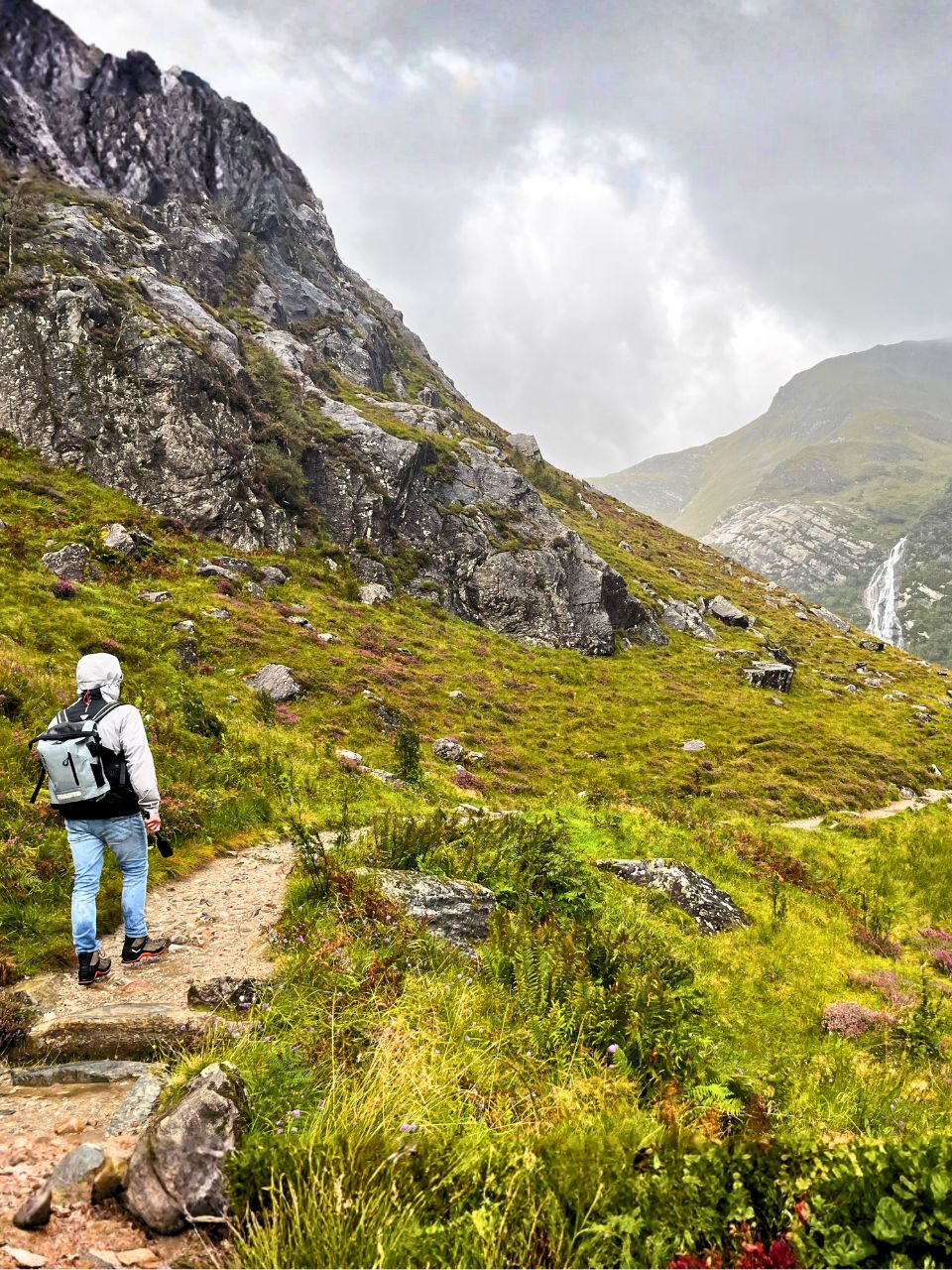
The best strategy to stay comfy is layering. We suggest a proper waterproof jacket and pants (none of that ‘water resistant’ nonsense!), fleece layers, and waterproof shoes that can handle lots of water and mud (bonus points if you waterproof spray them like we did for an extra, extra safety layer, haha).
Also, if you’re road-tripping like we were, pack something (like a couple of old bags) to throw your muddy boots and layers in for during the drive!
Important to note is that rain doesn’t ruin the adventure. As we say in Germany whenever it rains, “we’re not made of sugar!”.
Ergo: you are not going to melt if you are out in the rain. You’ll be fine! Some of our best hikes (like Steall Waterfall) were almost empty thanks to the rain and it was more than worth it. Plus the rainbows alone are worth every soggy sock risk!
2. Summer ≠ Warm and Dry, so Pack Smart
Scotland’s summer never promises rain-free, sunny beach-weather. On average, it is actually the wettest season, so expect frequent rainy weather!
Luckily, most rainfalls are intense, but fairly brief spurts, followed by a bit of sunshine (which you can see up to 19 hours of in Northern Scotland in summer!!).
Summer high temps sit around 17–18 °C (about 63–64 °F), rarely getting above 25 °C (77 °F), and nighttime and early morning temps dip as low as 10–12 °C (50–54 °F). And when that frequent rain and wind are also present? It can feel much colder!
Yet another reason layering is your best friend. As mentioned above, bring a waterproof jacket and pants, good fleece / warm layers that are easy to take on and off, and sturdy, waterproof shoes or boots. A compact rain poncho (that won’t make you sweat like a proper jacket will!) is a great summer option too. Rain can come seemingly out of nowhere and one of our top Scotland travel tips is that you should be ready for anything.
In short: though you will likely get some beautifully sunny days, also plan for the clouds, drizzle, and chill in-between — just please don’t ever let that stop you from exploring! Proper gear will keep you comfy, dry, and ready to enjoy Scotland’s magic no matter the weather 🙂
3. Midges Are a Thing (Especially in Summer)
Midges are tiny biting flies similar to mosquitoes that can be maddeningly persistent. They’re worst on the west coast, islands, and Highlands, especially June through August, and at dawn and dusk on still, humid days.
Protection is simple and similar to mosquitoes : wear long sleeves and pants, choose light-colored and tightly woven fabrics (did you know that dark, bold color attracts them and mosquitoes!?), and perhaps even think about bringing a head net. Use a strong insect repellent, as well. We, of course, always suggest looking for eco-friendly options like this spray or this balm!
Another top tip is to plan outdoor activities for windier times or days — midges hate a breeze, so a blustery afternoon can be wonderfully midge-free. This is a bit more difficult to plan in advance, of course, but if you can remain adaptable and spontaneous, it can be a great help!
4. Driving Is the Best Way to See Scotland!

Renting your own car is hands-down the easiest and best way for first-timers to catch all of Scotland’s best stuff. If we could only impart one Scotland travel tip to you, it would be this!
It allows you to move at your own pace which means you can pull over at spontaneous viewpoints (of which there are oh so many), linger at castles and ruins, detour to tiny villages, hidden lochs, or hikes that buses simply can’t reach, and so much more.
The road trip itself is part of the show in Scotland: wide-open Highland roads, dramatic coastal drives, and picture-perfect valleys and munros (Scottish mountains) galore.
Yes, you might be driving on the opposite side of the road than you are used to and yes the roads can be stressful sometimes (more on that below), but it is absolutely, undeniably worth it.
Driving in Scotland was one of the top highlights of our trip. It was truly one of the most beautiful places we have ever been blessed enough to drive in.
💡 Want our 7-day see-it-all route and tons of road trip tips? Check out our Scotland Road Trip Guide for several route ideas, must-see stops by region, driving FAQs, and more.
5. Rural Roads Can Be Stressful
I know, I know. We just talked about how incredible a Scotland road trip is and how highly we recommend it… but it is also very important to share some rural road realities with you first, so you know what you’re getting into.
Single-track roads are just about everywhere in the Highlands and other rural parts of Scotland, but don’t worry too much. You’ll see passing places on the sides of the road constantly (truly, one every 30–60 seconds) so it’s quite easy to get around without much stress or delay. Just be sure to drive cautiously and be ready to pull into your nearest passing place if needed.
You’ll also share the road with some very lazy sheep, the occasional cow or bull, and many agonizingly slow tractors, buses, and campervans. Instead of stressing, take it as an excuse to pause and soak in those insanely scenic views! The animals will meander out of the way and the slow vehicles will eventually pull over or turn off.
For all the reasons above, we highly suggest sticking with the smallest car size you will need. Scottish back roads are indeed gorgeous, but they can test your nerves and the smaller the car, the smaller the stress!
6. Don’t Expect to Arrive Faster Than GPS Estimates!

Don’t assume you’ll be able to race between stops and cut down on any estimated times in Scotland. Seriously.
There are the aforementioned slow vehicles, animal crossings (even otters!!), single-track stretches, hairpin bends, narrow bridges, and heavily enforced speed limits all around.
So build in at least 50–100% extra time to be safe and ensure you never miss any planned excursions or check-ins! A 1.5 hour drive can often become 2–3 hours, especially on more popular routes where there is more traffic.
P.S – about those heavily enforced speed limits I mentioned? Speed traps are very present and most use average-speed checks between two points so you can’t trick or bypass them and you will get a ticket if you are caught speeding even a tiny bit!
7. Electric Rentals are Pushed and Might be a Good Option for You
Don’t be surprised if your rental company tries really hard to put you in an electric car. For some reason it is being pushed BIG time in Scotland right now.
The good news? Charging stations are almost everywhere — especially near major towns and along major routes. And with a little pre-planning, even rural adventures are totally doable!
We suggest using sites and apps like ChargePlace Scotland, Zapmap, or PlugShare to map out stations well in advance of each leg of your road trip.
That said, petrol cars are still absolutely an option — despite what some (very) pushy agents may claim. Some companies will even insist they’re suddenly “out of petrol cars” to nudge you toward an EV upgrade, so if you specifically want petrol, get written confirmation that your rental car will be petrol beforehand and stand your ground at pickup. Europcar tried to scam us big time in this regard on our last visit to Scotland!
P.S – In case you were wondering, we chose petrol this last road trip because we spent a lot of time in rural areas and didn’t want charging stress. Fuel was surprisingly affordable (coming from Germany, at least!), and the mileage for our rental car was fantastic. Either choice works — the key is picking the one that fits your travel style and plans for that specific trip!
8. Public Transport Works… But It’s Limited in Rural Spots
Public transportation in Scotland is excellent around cities. It’s fast, cheap, and the drivers are extremely helpful and friendly! We loved using it in Edinburgh and Glasgow where we parked outside the cities and rode in via bus.
In general, trains and long distance buses can be wonderful for major routes (Inverness–Edinburgh–Glasgow–Fort William, etc) and more popular towns and attractions.
However, once you venture into the Highlands, islands, tiny villages, or to any ‘hidden gem’ attractions, schedules thin out, if there are even any services available at all!
Be sure you research your desired route beforehand to help decide if it is both doable without a rental car and, most importantly, enjoyable!
9. Book Everything Early — Seriously
Scotland can get very busy and “I’ll book later” usually turns into “oops, it’s all sold out.”
Peak season (June–August) is particularly frenzied: car rentals, popular accommodation, activities, guided hikes and tours can all get booked as early as months in advance.
Aim to ideally lock in rentals, accommodations, and top tours at least 2–3 months ahead for shoulder season, and 3–6 months for peak season or weekends around festivals and holidays.
Not only will this secure your spot, but it also allows you to hunt down the best deals, compare options, and snag discounts before prices spike. A little advance planning truly goes a long way here!
P.S – one of our our Scotland travel tips is to check these sites to snag great deals: Booking for accommodation, Viator for tours and activities, Omio for long-distance buses / trains / ferries, and Kayak for comparing tons of rental car options!
10. Scotland Is Bigger Than You Think

Scotland may look tiny on a map, but it’s deceptively vast and quite spread out!
Trying to “see it all” in one trip, especially a short trip, can lead to a lot of time in the car and very little time actually soaking it in.
We suggest picking just a few regions per trip (check out our top road trip routes and tips here), ensuring you build realistic drive times into your plan (see #6 above), and saving other areas for future visits — you’ll enjoy each place so much more when you’re not rushing.
11. Expect Higher Costs Than You Might Think
Scotland is undeniably stunning… but surprisingly pricey.
First-timers (read: Matze and I, lol) might be shocked by how quickly costs add up, especially for accommodation — which will likely eat the biggest part of your budget. Activities and food follow close behind!
But while Scotland certainly isn’t “budget-backpacker cheap,” you can absolutely explore it comfortably without overspending. The best tip to save money? Book early (peep #9 above).
Beyond that, consider the Scotland travel tips for budgeting: try a mix of nicer accommodation with more budget-friendly options like hostels or guesthouses, cook some meals at home or grab bakery lunches instead of eating out every time, and prioritize free or low-cost activities — which Scotland luckily has tons of, especially hikes, viewpoints, beaches, and waterfalls!
When it comes to splurging, choose the things that genuinely elevate your trip: a comfortable rental car (you’ll spend a lot of time in it if you’re road tripping), a couple of unique activities (we highly suggest coasteering!), or that cozy accommodation with a killer view you’ve been eyeing for a while.
With a thoughtful balance of saving and strategic splurging, you can definitely enjoy all of Scotland’s magic without totally blowing your budget.
12. You Don’t Usually Need Cash, but Have Some on Hand
Scotland is extremely card-friendly and both credit & debit cards are accepted in almost all shops, cafés, buses, trains, and restaurants — especially in cities and tourist hubs.
However, in very rural areas or islands and in small markets, ferries, or pubs, cash is king. You will also likely need to use cash for any honesty boxes, tour guide tips, and extra small transactions.
Our top tip: withdraw some cash (GBP – Great British Pound) from ATMs in larger towns before heading into more remote areas, or just convert a chunk of cash before your trip. ATMs can be sparse in rural areas, so it’s best to plan ahead.
13. Tipping Culture Is Low-Key
This likely comes as no surprise at all, but tipping in Scotland is not like in the USA at all. It is very relaxed and it is never expected or mandatory, but it is becoming more common.
Restaurants will sometimes automatically add a service charge (check the bill); if there isn’t one, 10% for good service is a great guideline (15% if you’re feeling extra generous). For casual pubs, cafés, or counter service, tipping isn’t expected, but we sometimes like to round up and/or leave our loose change!
Other quick rules (remember: it’s always optional): taxis — round up or tip about 10%; hotel porters — £1–£2 per bag; housekeeping — £1–£2 per night if you really want to say thanks; tour guides — £2–£5 per person (or ~10% for longer/private tours). If paying by card, some places let you add a tip on the terminal, but cash is always easy and appreciated in smaller places.
Bottom line: tip for good service, but don’t feel obligated to tip in every situation. It’s a friendly, low-pressure culture!
14. Breakfast is a Big Deal and Portions are HEARTY!
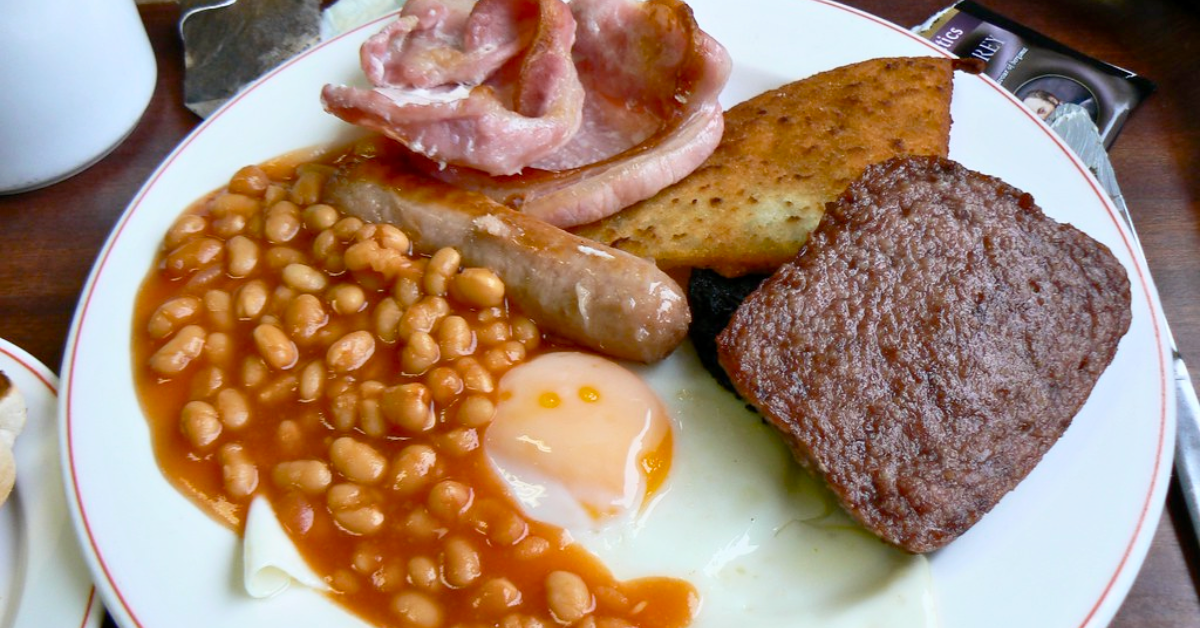
Scottish breakfasts are no joke and it is basically a traveler’s dream: hearty, protein-packed, and filling enough to keep you satisfied until late afternoon.
The most common breakfast, a traditional “Full Scottish“, usually includes eggs, bacon, sausage and/or haggis, black pudding (blood sausage), tattie scones (potato pancakes), baked beans, mushrooms, grilled tomatoes, and toast. It’s very similar to a Full English, but with a local twist!
And if you’re by the coast? Don’t miss Scotland’s seafood breakfasts. You’ll often find smoked salmon, Eggs Benedict with local fish, or even salmon breakfast muffins amongst the rest of the usual hearty breakfast options (usually including vegetarian options as well!).
In short: come hungry. Scotland takes breakfast seriously!
15. “Loch” = Lake and You’ll See a LOT (P.S Loch Ness Isn’t the Best!)
First things first: “loch” is pronounced like lokh (IPA: /lɒx/) — with that lovely Scottish throat sound at the end. You’ll see the word everywhere because Scotland is absolutely packed with lochs, each with its own vibe depending on the region: dramatic sea lochs on the west coast, mirror-calm freshwater lochs in the Highlands, and tiny hidden ones tucked all in-between.
Of course, Loch Ness is the local celebrity, and rightfully so… but here’s the truth: it’s not the prettiest loch in Scotland and not our top recommendation. Iconic? Absolutely. Scenic? Sure.
But spots like Loch Lomond, Loch Shiel, Loch Maree, or Loch Katrine will steal the show every time. They are generally more private, offer the most incredible views at the shore or from nearby hikes, and have stunning landscapes and scenery (truly, jaw dropping!).
Still, if it’s your first trip, Nessie’s home is worth a quick stop for the lore alone — just don’t feel bad if you can’t squeeze it in. There are hundreds of breathtaking lochs that you can visit instead, especially if your focus is more on beauty, privacy, and nature!
16. Scots and Gaelic Are the National Languages (and Different!)
If you’re a language nerd (hello, same ✋), Scotland is an absolute treat for the ears. English is spoken everywhere and by far the most common language, but you do get two very special additions in this country!
The three national languages of Scotland are English, Scottish Gaelic, and Scots.
Gaelic (pronounced gah-lik (IPA: /ˈgɑːlɪk/) in Scotland) is a Goidelic Celtic language, related to Irish, spoken most often in the Outer Hebrides (Western Isles), the Highlands, and Islands. You’ll spot it on road signs, hear it on local radios, and see it woven into many place names.
Scots, on the other hand, is a West Germanic language closely related to English — think of it as a sister language with its own spelling, grammar, and fun words like wee (little), bairn (child), and bonnie (beautiful). You’ll hear Scots most often in the Lowlands and in everyday speech from pubs, the radio, conversations on the street, etc.
A few fun traveler-friendly phrases before we move on to the next point:
- “Slàinte!” (Gaelic) — Cheers!
- “Madainn mhath” (Gaelic) — Good morning
- “Tapadh leat” (Gaelic) — Thank you
- “Braw” (Scots) — Excellent
- “Dinnae fash!” (Scots) — Don’t worry!
- “Haste ye back.” (Scots) — Come back soon.
17. Castles Are Everywhere


Scotland is stacked with castles — over 1,500, depending on how you count them. So whether you love history, photography, or just exploring atmospheric places, there’s a castle in Scotland for you!
The main types you’ll come across are ruined medieval fortresses, royal palaces, and tower houses (sturdy, vertical homes built for defense).
If it’s your first visit, you truly can’t go wrong, but a few castles do stand out as must-sees:
- Edinburgh Castle — iconic, perched on an extinct volcano, and full of Scottish history
- Stirling Castle — one of the most important royal residences and stunningly preserved
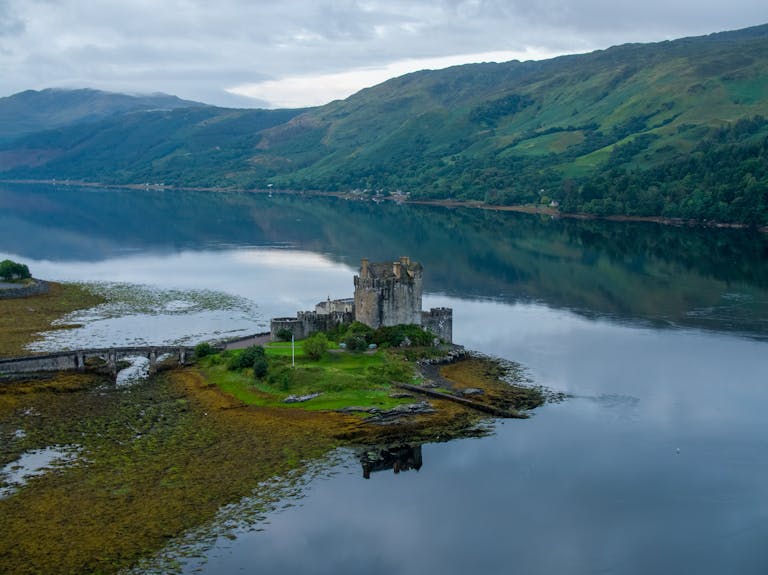
- Eilean Donan — the postcard-perfect castle surrounded by a loch (lake) and mountains
- Urquhart Castle — dramatic ruins right on Loch Ness
- Dunnottar Castle — jaw-dropping clifftop fortress with stunning ocean views
- Doune Castle — a filming favorite (Outlander, Monty Python, Game of Thrones, etc.!)
- Kilchurn Castle — haunting, moody, and extremely photogenic
We could keep going, but these are some of the best of the best and would keep any group quite busy and happy on a first trip!
18. History Is Woven Into EVERYTHING!
While on the topic of history, boy is Scotland’s history everywhere. From Jacobite uprisings and rebellions to centuries-old clans with incredibly rich culture, battlefields all over this tiny country, and so much more.
This deep heritage has shaped the landscapes, castles, and villages you’ll explore. And with a bit of research before your trip, or just a fun guided tour, you can really make every stop come alive!
These top museums will also help bring history to life:
- National Museum of Scotland (Edinburgh) — everything from prehistoric artifacts to modern Scottish life
- Culloden Visitor Centre (near Inverness) — detailed look at the Jacobite uprising and battlefield
- Scottish National War Museum (Edinburgh Castle) — military history through the centuries
- The Battle of Bannockburn Experience (Stirling) — interactive history with epic battlefield context
- Museum of the Isles (Skye) — clan history, folklore, and local Isle of Skye heritage
Even if you don’t hit every museum (or any), learning a bit about the clans, rebellions, and battles of Scotland will add a ton of depth to your trip and we cannot recommend it enough!
19. The Right to Roam (Wild Camping, Anyone?)
Scotland has one of the most generous access laws in the world: the Right to Roam! This gives you the right to explore just about any open land for “recreational” or “educational” purposes, whether that’s running, cycling, hiking, walking, or even wild camping!
For travelers, this is a dream come true, with endless trails, lochs, glens, and hills waiting to be discovered and the option of wild camping in such stunning places is not only an incredible experience, but also an amazing budget booster (accommodation is pricey in Scotland!).
That said, freedom always comes with responsibility.
Follow the Scottish Outdoor Access Code: close gates behind you, take your litter with you, respect farmer’s lands and avoid disturbing livestock, stick to paths where possible, respect the environment and wildlife, and always leave no trace – especially if you are wild camping (more on Scotland’s camping etiquette here).
Do these simple things, though, and you can safely roam, hike, camp, and wander in Scotland without worry!
20. Hiking Is World-Class

Scotland is a hiker’s paradise, not only because of the Right to Roam we just talked about, but because this country boasts jaw-dropping landscapes left, right, and center.
From easier hikes and walks like the Steall Waterfall Trail (in Glen Nevis) or Calton Hill (in Edinburgh) to serious climbs and multi-day hikes like Ben Nevis (in Glen Nevis) or the Cuillin Ridge (in Skye), there’s something for every level — and every one offers the most unforgettable views.
Safety first, though: check the weather before heading out (and always prep for rain regardless), tell someone your route, and bring a map or GPS. Summits can be extremely windy, wet, and cold, even in summer, so layering is essential — waterproof jackets, fleeces, and proper shoes are non-negotiable.
In other words: pack the rain jacket, lace up your boots, and get ready for a ton of seriously incredible views!
21. Don’t Rely on Phone Service!
In much of Scotland, especially the Highlands, islands, and remote hiking areas, cell service can be patchy or flat out non-existent!
It all depends on your provider, but relying solely on your phone service for directions, entertainment, attraction info, and more is risky — so come prepared.
Check with your provider about the areas covered and see if you can get Scotland-specific info. If you don’t have an international plan or it just doesn’t offer good coverage, look into getting an e-sim with better coverage (like Yesim) just for this trip.
Regardless of your coverage, we still suggest downloading offline maps (Google Maps or Waze can work great for offline use), as well as any hiking guides, trails, or walking routes you plan to tackle. Save offline playlists, podcasts, audiobooks, and any other entertainment, along with any critical info in advance too.
And honestly, when you’re standing on a windswept cliff, halfway up a Highland trail, or exploring ancient ruins, you probably won’t miss the signal anyway. No signal, no stress!
22. Expect Extremely Friendly Locals (& Cheeky Banter)
Scots are famously friendly! Traveling in Scotland can feel a bit like visiting family you haven’t met yet — warm, welcoming, and always ready with a joke or a story.
So if you ever need help, simply ask — most locals are more than happy to point you in the right direction or share their favorite hidden gems. Scotland truly has some of the kindest people Matze and I have ever met!
Scots also have their wonderfully cheeky sense of humor. Someone might crack a dry joke, tease you a little, or deliver a sarcastic comment with a perfectly straight face — it’s all meant in good fun!
And fair warning: the accent can be strong, especially in smaller towns and rural areas. Watching a few Scottish shows or movies or listening to a Scottish podcast or radio show before your trip will help train your ear much more than you’d think.
23. Expect Early Closing Times
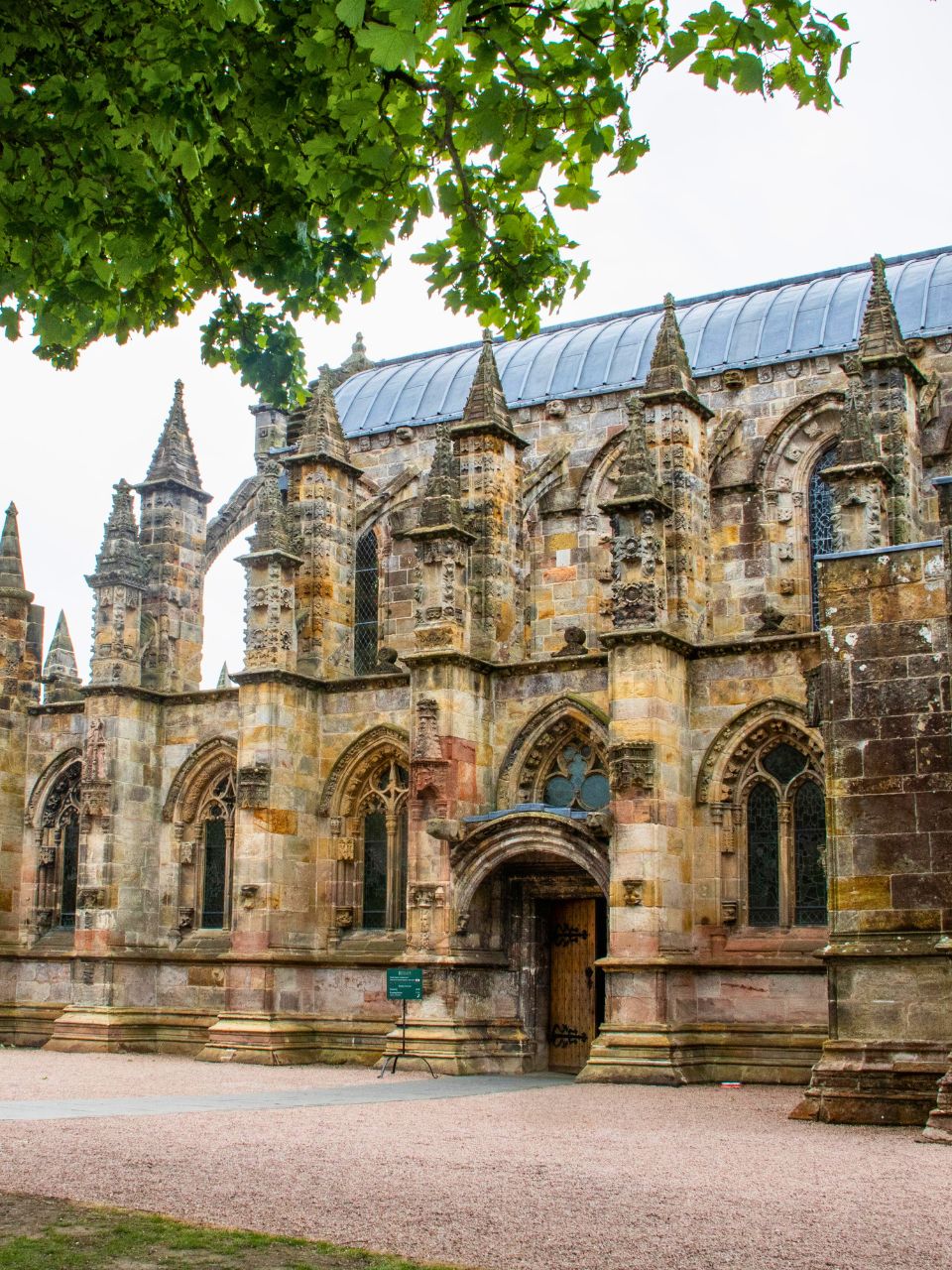
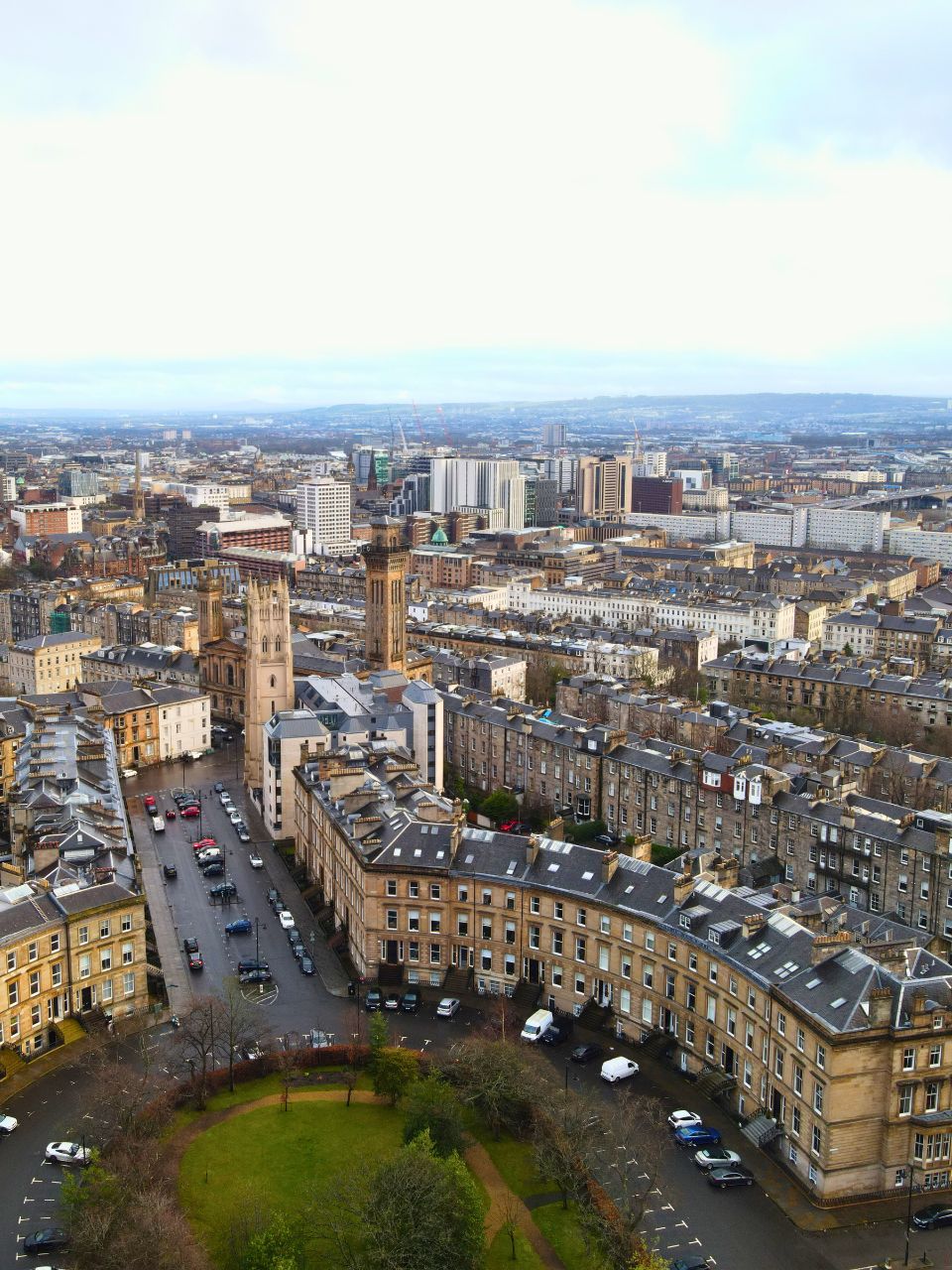
If you’re coming from a big city, especially one in the US where 24/7 shops are fairly common, Scotland may feel like it closes shockingly early.
Many shops, cafés, and attractions in smaller towns shut by 5-6 p.m. (at the latest), and even in larger cities, 7–8 p.m. closures aren’t unusual at all. So always check opening hours ahead of time, especially for museums, distilleries, bakeries, cafés – even parks!
We were shocked to see that the Princess Street Gardens in Edinburgh closed at 6 p.m. when we visited!! We only had one full day in Edinburgh and when we arrived at the gardens at 5:45, the guards (yes, they had guards posted at all entrances for closing!) would not let us in. The only view I got of the Ross Fountain, which I was so excited to see, was through the bushes (laughing, but also crying about this to this day). We didn’t realize the park would close at all, let alone so early.
Don’t be like us – research those hours beforehand! This ensures you don’t arrive somewhere only to find the doors closed and your plans for the rest of the day ruined. It also gives you a perfect excuse to frontend all your sightseeing and then slow down and enjoy a sunset walk, a pint in a cozy pub, or a scenic drive to fully relax at the end of the day.
24. Sundays Can Be Quiet (Especially in Rural Areas)
In Scotland, particularly in rural regions and on the islands, Sundays are traditionally quieter.
You’ll find that many shops, cafés, and even some attractions have even shorter hours on Sunday than those we just talked about above and that is if they don’t close entirely! This is yet another reason why it is smart and often necessary to plan ahead for meals, groceries, and sightseeing.
If you’re visiting a smaller town, check hours for cafés, restaurants, and supermarkets on Sunday or just stock up on essentials beforehand. For museum visits, markets, and other attractions visit during weekdays or just double check Sunday hours to be sure you don’t miss out on anything!
As seen by this point and the last, a little planning goes a long way in Scotland — unless you enjoy the adventure of hunting for the one café in town that’s actually open 😉
25. Plan Less, Experience More!
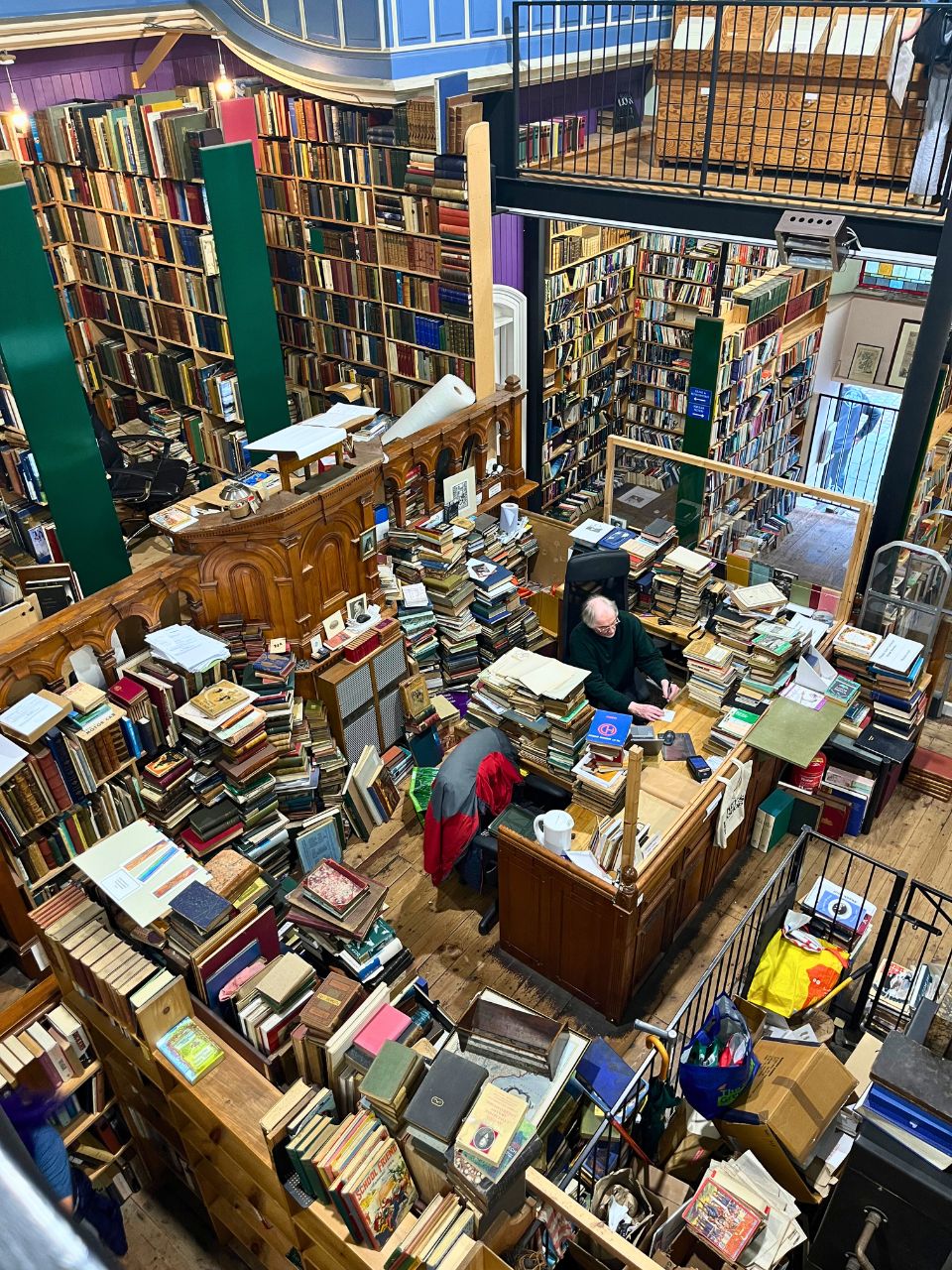
As I am sure you have realized by now, Scotland is the perfect country for slow travel!
While it’s tempting to try to tick off every castle, loch, and viewpoint in one trip, it just isn’t possible and some of the most magical moments happen when you leave room for the unexpected. The scenery alone demands you pause, pull over, and simply take it in!
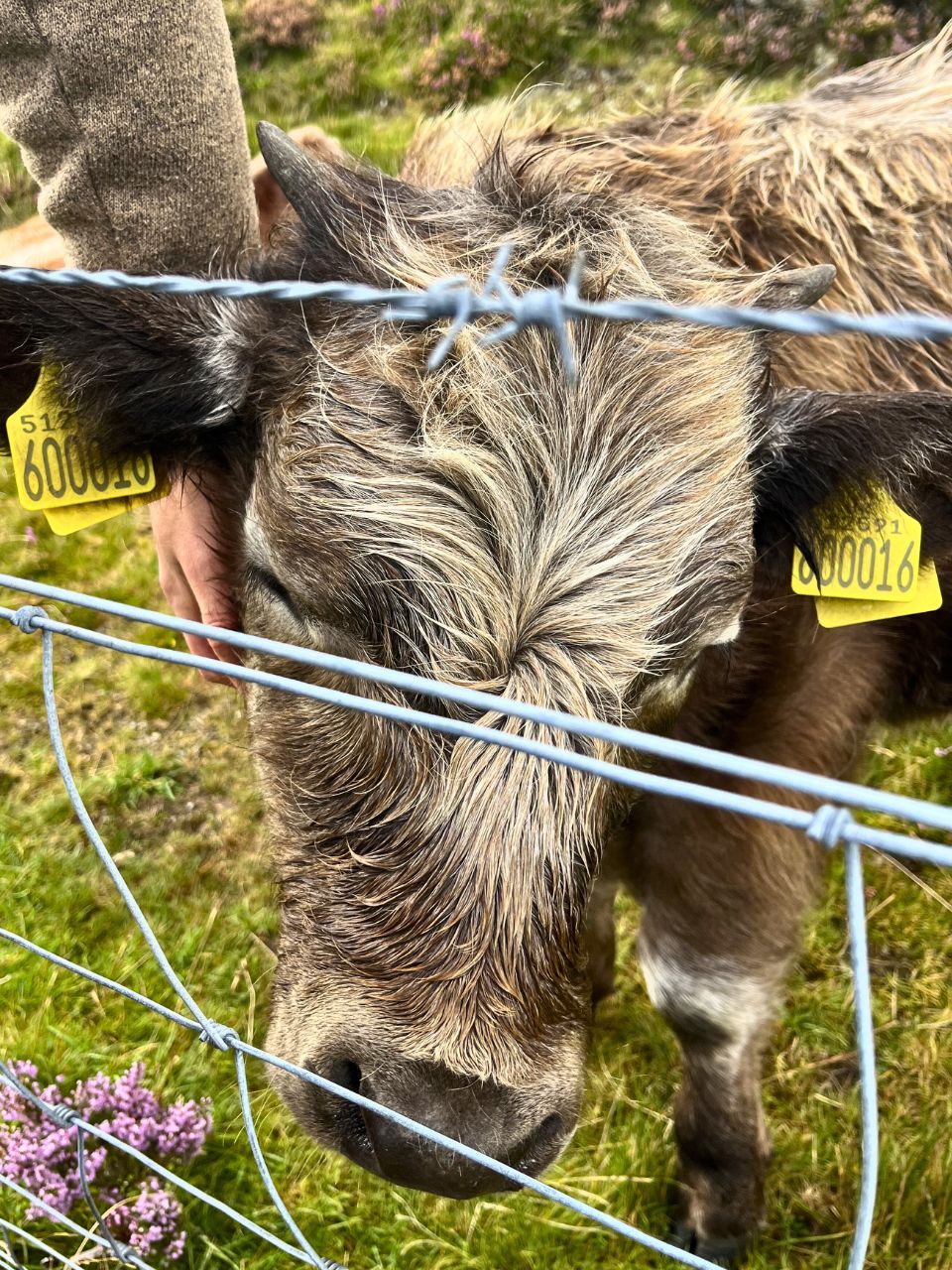
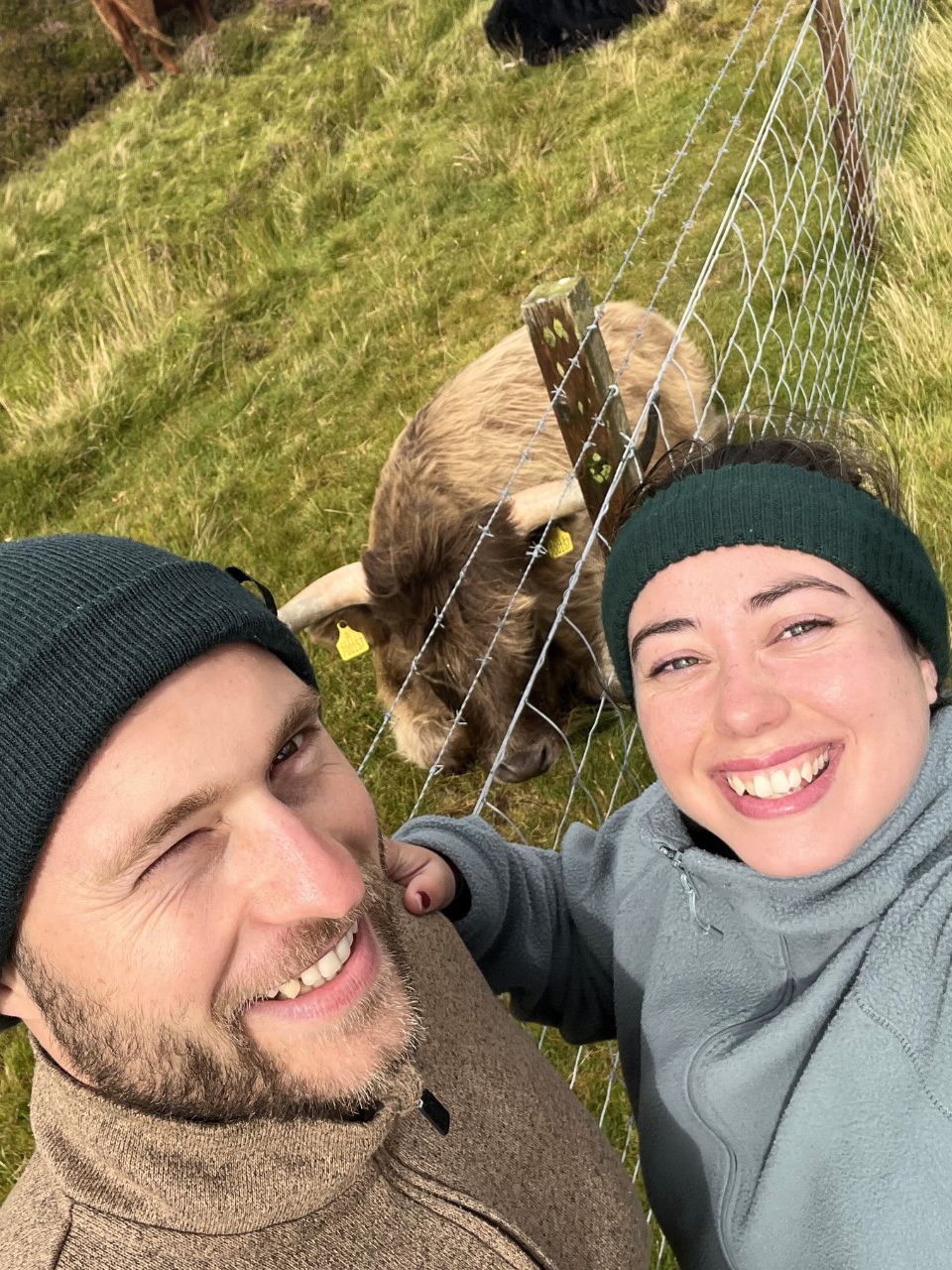
During our road trip, we found ourselves constantly pulling over for spontaneous adventures: a herd of Highland cows grazing by the roadside (pic above!), a hidden waterfall tucked behind a hill, a cozy looking café, or a small castle we hadn’t planned to see. These unplanned stops often turned out to be some of our favorite memories and moments we’d never have experienced if we were strictly sticking to an itinerary.
Embracing this slower pace also reduces stress. Instead of rushing from place to place on those very slow Scottish roads, you can soak in the atmosphere, chat with locals, or simply enjoy some quiet moments outdoors.
This is a country that loves to surprise you, so always factor in extra time for detours, hikes, photo ops, sporadic weather, and any other last-minute changes. Scotland rewards curiosity and flexibility!
Bonus: Did You Know the National Animal of Scotland is a Unicorn!?
Yes, you read that right and no, we’re not joking. Scotland’s national animal is a unicorn 🦄
This mythical creature has been a symbol of purity, strength, power, and independence in Scottish heraldry for centuries. It is said to sum up the untameable spirit of the country.
Basically, Scotland said, “Why be normal when you can be mythical and powerful?” and I am 100% here for it, haha.
You’ll see unicorns all over once you know to look: on the royal coat of arms, in souvenirs, on castle facades and other landmarks, in shop and hotel decor, and more. So keep an eye out — spotting a unicorn is just one of the many fun things that makes Scotland so unique!
Have Fun & Turas math dhuibh!
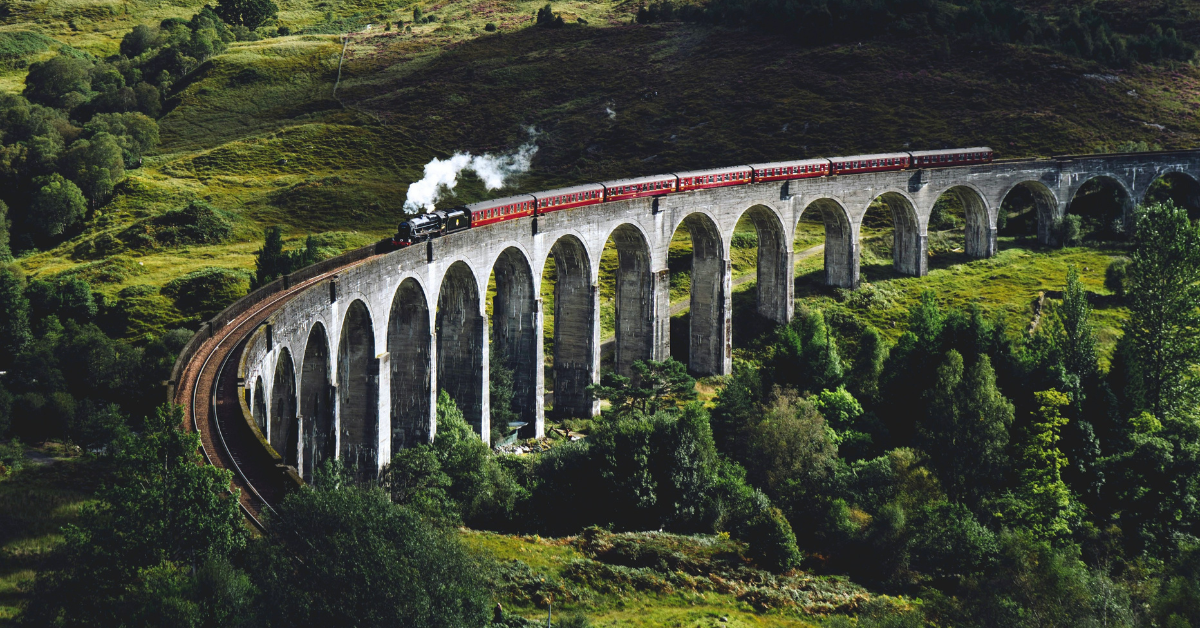
Scotland has a way of lingering with you long after you’ve left — in the dramatic landscapes, the cozy moments, the history woven into every corner, and the genuine kindness of the people you meet along the way.
Whether you’re exploring for just a few days, road-tripping for a week, or backpacking for a month or more, this is a country that rewards curiosity and slows you down in all the right ways.
And now that you know the essentials and have read all of our top Scotland travel tips, you’re ready to use these insights to make your trip smoother, richer, and even more memorable 🙂
Don’t forget to check out our full Scotland Road Trip Guide for routes, recommendations, and everything you need to plan an unforgettable road trip journey, as well.
Turas math dhuibh (safe travels), and enjoy every wee moment in this bonnie country!